Rubbish removal and demolition are often seen as destructive tasks but they are actually about transformation. These processes clear the way for renewal and open doors for better use of land and resources. Each project represents a turning point between what once stood and what can rise next. In many ways, they are the hidden foundation of future development.
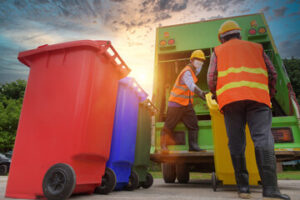
Modern rubbish removal is no longer about simply discarding waste into landfills. It now involves systematic sorting, recycling, and repurposing. Every discarded item is considered for its potential to return into useful cycles. This perspective turns rubbish into opportunity rather than burden.
Demolition today has become a sophisticated science rather than reckless destruction. It involves precision techniques that dismantle structures without unnecessary harm. Controlled methods reduce dust, vibration, and noise for surrounding communities. What was once chaos has become a carefully orchestrated process.
Technology has reshaped the entire approach to rubbish removal and demolition. Drones survey sites from above to provide accurate data. Machines with robotic precision reduce human risks during high-rise demolition. Digital mapping allows teams to plan outcomes with remarkable accuracy.
Environmental responsibility has become the backbone of these industries. Waste that would previously harm ecosystems is now separated and recycled. Hazardous materials are contained and treated with strict safety standards. The goal is no longer just clearance but preservation of balance with nature.
Selective demolition has emerged as a sustainable practice in construction and urban renewal. Instead of tearing down entire structures, specific sections are carefully removed. This saves resources and keeps useful components intact for reuse. It blends progress with conservation in creative ways.
Communities directly benefit when rubbish removal and demolition are done responsibly. Unsafe buildings are taken down before they pose risks. Vacant areas are transformed into new spaces for housing, parks, or businesses. Renewal supports both safety and social growth at the same time.
Time efficiency has become an essential part of modern operations. New machinery allows faster clearance while minimizing disruption. Well-planned logistics prevent delays and optimize material handling. Efficiency ensures that projects meet both deadlines and community expectations.
Safety remains the most important element in demolition and rubbish removal. Workers undergo training to handle dangerous conditions with precision. Protective equipment and monitoring systems reduce the chance of accidents. Safety practices protect not only workers but also nearby residents.
Every removal project starts with a vision of what the space could become. Architects and planners often collaborate with demolition experts. Their combined knowledge shapes how the land will be used next. This partnership connects destruction directly with creation.
Climate challenges have influenced new practices in rubbish removal and demolition. Rising temperatures and extreme weather demand more resilient waste handling systems. Dust control methods now integrate water recycling and advanced filtration. Environmental adaptation has become a natural part of every project.
Cultural considerations play an important role in demolition decisions. Structures with historic value often require delicate dismantling or preservation. Experts must respect heritage while still making room for progress. Balancing identity and innovation gives projects deeper meaning.
The economic effects of rubbish removal and demolition are far-reaching. Land cleared of decayed buildings gains higher property value. Recycled materials reduce construction costs for new projects. These services act as engines for economic growth and opportunity.
Innovation in material recycling has turned rubbish into a resource market. Concrete is crushed and reused in road foundations. Metals are extracted and repurposed for industrial needs. Even wood finds new life as composite products for construction.
Digital platforms have improved transparency in waste management. Material flow is tracked through barcodes or sensors. This ensures accountability and prevents illegal dumping. Data-driven systems create trust between industries and communities.
Demolition is not always a destructive act but also one of renewal after disasters. Damaged buildings after storms or fires require urgent clearance. Quick action allows rebuilding and recovery to happen faster. In these moments, demolition becomes a form of healing.
Noise and dust control are among the top challenges in dense communities. Specialized machinery now works more quietly and efficiently. Water mist systems suppress dust before it spreads to neighborhoods. These innovations allow progress without disturbing everyday life.
The people working in these fields have developed specialized expertise. Training includes both technical knowledge and environmental awareness. Many workers are also skilled in identifying salvageable materials. Their role is both physical and intellectual in shaping progress.
The future of demolition may rely heavily on automation and robotics. Machines capable of dismantling tall structures will reduce human risks. Remote-controlled systems can operate with extreme accuracy. These advancements will transform the way demolition is done.
Psychological factors also matter in removal projects. Residents often feel emotional seeing old buildings disappear. Clear communication helps them understand why change is necessary. Openness builds acceptance and trust throughout the process.
Rubbish removal also plays a vital role in health and sanitation. Piled waste can harbor pests and create unsafe conditions. Timely clearance reduces hazards and improves quality of life. Clean environments enhance both safety and comfort for communities.
Urban renewal depends on the efficient cycle of removal and rebuilding. Old factories may become cultural centers or housing complexes. Empty lots may turn into green corridors or public gardens. The demolition process is the first step toward these transformations.
Logistics play a huge role in making projects successful. Transporting waste materials requires smart routing to reduce delays. Recycling centers close to sites cut down fuel use. Effective logistics save money, energy, and time.
Knowledge sharing has also grown in the global demolition and waste community. Experts publish research on sustainable methods and safety practices. New solutions are quickly adopted across borders. Collaboration ensures that progress benefits everyone.
The industry is also influenced by changing lifestyles and consumer habits. As people generate more electronic waste, removal services must adapt. Specialized recycling processes for batteries and gadgets are expanding. These adjustments reflect the dynamic nature of rubbish management.
Demolition and rubbish removal connect closely with circular economies. The idea is not just disposal but reintegration of materials. Every broken piece may become part of a new cycle. This mindset creates industries that are both profitable and sustainable.
Future projects will likely integrate with smart city systems. Sensors may track waste levels in real time. Demolition plans may sync with digital models of entire districts. This integration ensures harmony between technology, people, and environment.
In the end, rubbish removal and demolition are about change. They represent the courage to clear what no longer serves and prepare for what is better. They demand precision, responsibility, and imagination. Above all, they prove that destruction can be a foundation for creation.
Visit our Professional Services Blogs
Chris Atkins Lawncare, Atticus Landscaping, Treasure Coast Pressure Wash, Gulf Beach Plumbing, Marlborough Plumbing, Guns And Hoses Pressure Washing, Ambrose Construction, Coral Gables Pressure Washing, Willco Photography, Roofing Akron, Danalogsdon Roofing El Cajon, EC Siding Roofing Windows, Aurora Gutter, American Insurance Source, ECO, etdn, Denison Service League, Roofing Blog, Atlantic Vinyl Windows, Brookshires Fireplaces, JD Advanced Remodeling, Product Judgment, Master Dry Foundation Repair, Moe’s Hip, Elta Patio Paramount, Rock Around The Clock Festival, Learn, Play, Beyond, MoralesT Gardening, Car Window Tinting Perth, Duncan Carpentry, Gatestone Lighting, Mid Missouri Mold Inspections, Stucco Repair Albuquerque, Wausau Siding Hire, Munster Tree Care, Blue Granite Homes, Custom House, CENTRAL OS, Atlanta Pavers, Phillips Law Firm, Brent Ryder Masonry, Walker Construction Drywall Division, RJ Law, Caledon Plumbing, DDS Tech USA, Maine Mortgage Services, Inckpen, Seasons at Rose Creek, Cottonwood Place Dental, Cosmetic Laser 2000