Electricity powers nearly every aspect of modern life, from the lights above our heads to the devices we rely on for communication, comfort, and productivity. Yet many property owners rarely think about their electrical systems until something goes wrong. Electrician services go far beyond emergency repairs. Today, professional Electricians play a crucial role in upgrading outdated systems, improving energy efficiency, enhancing safety, and preparing properties for future technology demands.
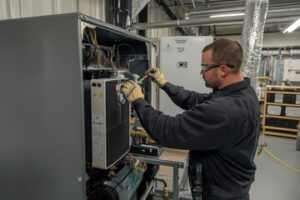
Whether you own a home or manage a commercial facility, investing in professional electrician services is about more than fixing flickering lights or tripped breakers. It is about modernizing infrastructure, increasing property value, and ensuring that your electrical system can safely support evolving energy needs. In this article, we will explore how comprehensive electrician services contribute to long-term performance, safety, and efficiency in both residential and commercial environments.
The Growing Demand for Electrical Upgrades
Modern properties consume far more electricity than they did even a decade ago. The rise of smart technology, electric vehicles, high-efficiency appliances, and digital workspaces has significantly increased electrical demand. Older systems that were once adequate may now struggle to keep up.
One of the most common reasons property owners seek electrician services today is system upgrading. Electrical panels, wiring, and circuits designed years ago may not be equipped to handle modern loads. Signs that an upgrade may be necessary include frequently tripped breakers, dimming lights when appliances turn on, buzzing outlets, or outdated fuse boxes.
Professional electricians assess current infrastructure and recommend solutions tailored to the property’s needs. Upgrades not only improve performance but also reduce fire risks and improve compliance with current safety standards.
Electrical Panel Upgrades and Power Distribution
The electrical panel serves as the heart of any electrical system. It distributes power throughout the building and protects circuits from overload. When a panel is outdated or undersized, it can limit functionality and pose safety concerns.
Electrician services often include panel upgrades designed to:
- Increase capacity – Allowing the system to support additional appliances, equipment, or technology.
- Enhance safety features – Incorporating modern breakers with improved protection against short circuits and overloads.
- Improve reliability – Reducing the likelihood of unexpected power interruptions.
A panel upgrade is one of the most impactful improvements a property owner can make. It lays the foundation for future electrical projects, such as installing electric vehicle chargers or integrating smart home systems.
Wiring Replacement and Modernization
Outdated wiring is a hidden hazard in many older properties. Aging materials can deteriorate over time, leading to overheating, power loss, or even electrical fires. Modern electrical standards require safer materials and improved grounding methods to ensure long-term reliability.
Electrician services focused on wiring replacement involve inspecting existing circuits, identifying potential hazards, and replacing worn or non-compliant wiring. This process not only enhances safety but also improves overall energy efficiency.
Modern wiring systems are designed to accommodate higher loads and reduce resistance. As a result, property owners may notice improved performance from appliances and electronics after rewiring is completed. Additionally, updated wiring increases property value and provides peace of mind for years to come.
Energy Efficiency Improvements
Energy efficiency is a major priority for many homeowners and businesses seeking to lower utility costs and reduce environmental impact. Electrician services play a key role in identifying opportunities for improvement.
Energy-efficient upgrades may include:
- LED lighting conversions – Replacing outdated lighting systems with energy-saving alternatives.
- Smart lighting controls – Installing dimmers, occupancy sensors, and timers to minimize unnecessary energy use.
- Dedicated circuits for high-demand appliances – Optimizing performance and reducing strain on shared circuits.
Electricians can also conduct energy assessments to identify inefficiencies in distribution systems. By making targeted improvements, property owners can achieve measurable cost savings while maintaining comfort and functionality.
Installing Electric Vehicle Charging Stations
As electric vehicles become more common, the demand for residential and commercial charging stations continues to rise. Installing a charging station is not as simple as plugging into a standard outlet. It requires proper circuit sizing, load calculations, and panel evaluation.
Professional electrician services ensure that charging stations are installed safely and efficiently. This process typically involves:
- Evaluating panel capacity – Determining whether the system can handle the additional load.
- Installing dedicated circuits – Preventing overloads and ensuring consistent charging performance.
- Ensuring compliance with safety codes – Protecting both the vehicle and the property.
Adding a charging station not only increases convenience but also enhances property value in a rapidly evolving transportation landscape.
Enhancing Safety Through Inspections and Maintenance
Preventive electrical maintenance is often overlooked until problems arise. Regular inspections conducted by licensed electricians can identify potential hazards before they escalate into costly emergencies.
Routine electrician services may include:
- Testing breakers and safety devices – Ensuring proper operation during overload conditions.
- Checking grounding systems – Protecting against electrical shocks and equipment damage.
- Inspecting outlets and switches – Detecting loose connections or signs of wear.
These proactive measures reduce the risk of electrical fires and system failures. For businesses, regular maintenance also supports compliance and liability protection.
Surge Protection and Sensitive Equipment
Modern properties rely heavily on sensitive electronics, from computers and entertainment systems to medical devices and production equipment. Power surges caused by lightning, grid fluctuations, or internal system faults can damage these devices instantly.
Electrician services often include whole-property surge protection installation. Unlike basic plug-in protectors, whole-system solutions are installed at the panel level to shield all connected circuits.
Surge protection provides several key benefits:
- Extended equipment lifespan – Preventing voltage spikes from damaging components.
- Reduced repair costs – Minimizing the need for replacements after power disturbances.
- Improved system reliability – Maintaining consistent performance during fluctuating conditions.
For both homes and businesses, surge protection represents a practical investment in long-term durability.
Lighting Design and Installation
Lighting significantly impacts comfort, productivity, and property aesthetics. Electrician services often include custom lighting design and installation tailored to specific needs.
Residential projects may focus on creating inviting living spaces with layered lighting, while commercial projects emphasize task lighting and energy efficiency. Professional electricians ensure that lighting systems are installed safely and distributed evenly.
Advanced lighting solutions may include automated controls that adjust brightness based on occupancy or time of day. These systems enhance convenience while lowering energy costs.
Preparing for Smart Technology Integration
The rise of smart technology has transformed expectations for electrical systems. From automated thermostats and voice-controlled lighting to integrated security systems, properties increasingly rely on connected devices.
Electrician services ensure that the electrical infrastructure supports these technologies. This may involve upgrading panels, installing dedicated circuits, or enhancing network connectivity.
Proper integration ensures seamless communication between devices and reduces the risk of connectivity issues or overloads. As technology continues to evolve, having a flexible and well-designed electrical system becomes even more important.
The Long-Term Value of Professional Electrician Services
While some minor electrical tasks may seem manageable, comprehensive upgrades and installations require professional expertise. Licensed electricians possess the training and tools necessary to complete projects safely and efficiently.
Investing in professional electrician services provides long-term value by:
- Enhancing property safety
- Improving energy efficiency
- Supporting future technology needs
- Increasing property value
By addressing both immediate concerns and long-term goals, electricians help property owners create reliable and adaptable electrical systems.
Electrician services encompass far more than simple repairs. They form the backbone of modern infrastructure, supporting safety, efficiency, and technological advancement. From panel upgrades and wiring replacement to energy-efficient lighting and electric vehicle charging stations, professional electricians provide solutions that transform properties.
As energy demands continue to grow and technology evolves, the importance of reliable electrical systems becomes even more apparent. By partnering with experienced professionals, homeowners and businesses can ensure that their electrical infrastructure is not only functional but future-ready. Investing in comprehensive electrician services today lays the groundwork for safer, smarter, and more efficient properties tomorrow.