Cabinet Refinishing – An Eco-Friendly Way to Upgrade Your Kitchen

Cabinet Refinishing is a popular way to upgrade your kitchen without spending a fortune. Refinishing is different from refacing, as the existing components are kept while only the color or finish is changed.

Cabinet Refinishing

Refinishing is also a greener option than replacing cabinets. Replacing cabinets can result in a significant amount of waste, since old units are usually torn out and sent to landfills.

When it comes to the cost of Cabinet Refinishing, you should be aware that there are several factors that can affect the final cost. The most significant factor is the amount of labor needed to complete the project. The cost of materials and tools can also increase the overall cost. However, these costs can be reduced by hiring a contractor with a strong reputation for quality work and excellent customer service. In addition, you can ask for a free design consultation with the contractor to ensure that the new finish you choose is exactly what you want.

The refinishing process usually involves sanding the surfaces of your cabinets and applying a layer of stain or paint. The exact sanding and finishing process can vary, but it is generally recommended that you use medium-grit sandpaper to smooth out any rough spots and old finishes. You should then sand again with fine-grit sandpaper to create an even surface. This will help to ensure that the finished product is durable and attractive.

Depending on the type of finish you choose, the refinishing process may take as little as one day. This is a great option for homeowners on a budget who are looking to revitalize their kitchen without spending a fortune. Unlike replacement, refinishing can be completed quickly and will reduce the amount of time your kitchen is out of commission.

In addition to reducing costs, Cabinet Refinishing is an environmentally-conscious choice. Replacing cabinets contributes to waste and resource consumption through manufacturing, transportation, and disposal. Refinishing, on the other hand, eliminates these costs by reusing existing materials. In addition, refinishing will help to extend the life of your cabinets and protect them from moisture damage.

The average cost of Cabinet Refinishing is less than $12,000, which is significantly cheaper than the cost of replacing them. However, the final price of refinishing depends on several factors, including the location and local labor rates. The best way to determine the final price of your refinishing project is to get estimates from multiple contractors in your area. Then, you can make an informed decision that will align with your budget and expectations.

Time

Cabinet refinishing is a time-consuming project, but it can be worth the effort in the long run. It can increase the resale value of your home, improve kitchen functionality, and align the aesthetic of your cabinets with other changes you have made in your home. Refinishing can also extend the life of your cabinets, preventing damage and wear over time. However, it is important to remember that the process requires careful planning and attention to detail. If you’re unsure how to handle the project yourself, it’s best to hire a professional.

The first step in the process is sanding the cabinets to create a smooth, even finish. This will remove rough spots, old paint, and imperfections, and it is important to follow the grain of the wood. Once the cabinets have been sanded, they should be cleaned and prepped for painting. This includes cleaning, degreasing, and priming. This process can take several days to complete, and it’s essential to do a thorough job to ensure the final result is quality.

Before applying the new coat of paint, it’s essential to allow the cabinets to fully cure. This will prevent smudges and ensure the paint adheres to the surface properly. It is also a good idea to test any cleaners or products you plan on using on a small, inconspicuous part of the cabinet before using it on the rest. Avoid harsh chemicals that may strip the finish and cause stains.

Refinishing your cabinets can be an eco-friendly alternative to replacing them. Replacing cabinets creates significant construction waste and consumes more raw materials, while refinishing saves these resources and allows you to choose a new look that fits your style. It’s also more affordable than replacing your cabinets, and it doesn’t require a full remodel of your kitchen.

Depending on the type of finish and paint, the refinishing process can take between 2-4 weeks. Hiring a professional service can speed up the process and ensure that your cabinets are properly refinished. Additionally, a professional can offer insight into the latest trends and styles, ensuring your kitchen looks stylish and modern.

Environmental impact

Cabinet refinishing is an eco-friendly option for homeowners looking to update their kitchens. Unlike cabinet replacement, which requires the disposal of the old cabinets and their contents, refinishing reuses existing materials and minimizes waste. In addition, refinishing uses low-VOC finishes that are less harmful to the environment. However, it is important to note that the process can be time-consuming and messy. Depending on the extent of work needed, it may take from a few days to a couple of weeks to finish the job. This is why it’s important to set up a workspace and prepare your kitchen ahead of time. This includes clearing out your cabinets, protecting countertops and appliances with coverings, and setting up a temporary kitchen if necessary.

It is also important to clean your cabinets regularly. Regular cleaning with a non-toxic, non-abrasive cleaner can help protect your cabinets from dirt and grime that can tarnish the finish. You should also avoid using harsh chemicals on your cabinets, as they can damage the new finish and cause it to dull over time.

During the refinishing process, your cabinets will be thoroughly cleaned and degreased to remove grease and dust. Next, they will be sanded to create a smooth, even surface. This is the time to address any damaged areas such as scratches and dents, which should be repaired before applying a stain or paint. Finally, a protective sealant is applied to enhance durability and protect the new finish from wear and tear.

Aesthetically, refinishing is a versatile choice. It allows you to choose a color or finish that suits your style, and it is easy to customize with techniques such as distressing and glazing. It also preserves the original structure of your cabinets, which is a great option for homeowners who are attached to their current layout but want to give their kitchen a fresh look.

Refinishing is more cost-effective than refacing, and it’s a good alternative to full cabinet replacement. However, it’s important to assess the condition of your cabinets and your desired aesthetic before making a decision. If your cabinets are in poor condition, refacing is a better option.

Customization

Cabinet refinishing offers a variety of customization options that you can use to create a look that fits your personal style and design. For example, you can choose the color of your cabinets and apply a finish to match your kitchen’s décor. This can be a great way to create a fresh new look without having to spend a lot of money. However, it is important to consider how durable the finish will be in your home before choosing a specific option.

The first step in a cabinet refinishing project is to sand the surfaces of your cabinets. This will remove any rough spots and old paint, ensuring that your final product will be smooth and attractive. Then, you can begin to paint. It is a good idea to set up a workspace for this project, and it is best to start with a medium-grit sandpaper before switching to a fine-grit sandpaper to ensure a smooth and even finish.

Another benefit of cabinet refinishing is that it can be completed much more quickly than replacing your cabinets. It can usually be done in just a few days, which is a major time saver. Furthermore, it’s less expensive than installing new cabinets, making it an excellent choice for a budget-friendly kitchen renovation.

If you’re looking for a dramatic change in your kitchen, cabinet replacement may be the right option. This process can allow you to choose a more modern design and incorporate features like soft-close hinges and glass-panel doors into your design. Moreover, the new cabinets can be made from more sustainable materials.

Cabinet refacing is an excellent alternative to cabinet replacement because it’s more budget-friendly and can give you a modern look with minimal waste. It’s also a great way to update your cabinet hardware. Cabinet refacing uses existing cabinet boxes and changes their appearance by adding new door and drawer fronts, hardware, and trim pieces. It also involves modifying the inside of your cabinet boxes to hide flaws and repair damaged areas. Additionally, it’s a greener option than replacing your cabinets because it minimizes the amount of dust and debris that’s released during construction.

Transforming Spaces through Innovative Rubbish Removal and Demolition

Rubbish removal and demolition are often seen as destructive tasks but they are actually about transformation. These processes clear the way for renewal and open doors for better use of land and resources. Each project represents a turning point between what once stood and what can rise next. In many ways, they are the hidden foundation of future development.

Rubbish Removal

Modern rubbish removal is no longer about simply discarding waste into landfills. It now involves systematic sorting, recycling, and repurposing. Every discarded item is considered for its potential to return into useful cycles. This perspective turns rubbish into opportunity rather than burden.

Demolition today has become a sophisticated science rather than reckless destruction. It involves precision techniques that dismantle structures without unnecessary harm. Controlled methods reduce dust, vibration, and noise for surrounding communities. What was once chaos has become a carefully orchestrated process.

Technology has reshaped the entire approach to rubbish removal and demolition. Drones survey sites from above to provide accurate data. Machines with robotic precision reduce human risks during high-rise demolition. Digital mapping allows teams to plan outcomes with remarkable accuracy.

Environmental responsibility has become the backbone of these industries. Waste that would previously harm ecosystems is now separated and recycled. Hazardous materials are contained and treated with strict safety standards. The goal is no longer just clearance but preservation of balance with nature.

Selective demolition has emerged as a sustainable practice in construction and urban renewal. Instead of tearing down entire structures, specific sections are carefully removed. This saves resources and keeps useful components intact for reuse. It blends progress with conservation in creative ways.

Communities directly benefit when rubbish removal and demolition are done responsibly. Unsafe buildings are taken down before they pose risks. Vacant areas are transformed into new spaces for housing, parks, or businesses. Renewal supports both safety and social growth at the same time.

Time efficiency has become an essential part of modern operations. New machinery allows faster clearance while minimizing disruption. Well-planned logistics prevent delays and optimize material handling. Efficiency ensures that projects meet both deadlines and community expectations.

Safety remains the most important element in demolition and rubbish removal. Workers undergo training to handle dangerous conditions with precision. Protective equipment and monitoring systems reduce the chance of accidents. Safety practices protect not only workers but also nearby residents.

Every removal project starts with a vision of what the space could become. Architects and planners often collaborate with demolition experts. Their combined knowledge shapes how the land will be used next. This partnership connects destruction directly with creation.

Climate challenges have influenced new practices in rubbish removal and demolition. Rising temperatures and extreme weather demand more resilient waste handling systems. Dust control methods now integrate water recycling and advanced filtration. Environmental adaptation has become a natural part of every project.

Cultural considerations play an important role in demolition decisions. Structures with historic value often require delicate dismantling or preservation. Experts must respect heritage while still making room for progress. Balancing identity and innovation gives projects deeper meaning.

The economic effects of rubbish removal and demolition are far-reaching. Land cleared of decayed buildings gains higher property value. Recycled materials reduce construction costs for new projects. These services act as engines for economic growth and opportunity.

Innovation in material recycling has turned rubbish into a resource market. Concrete is crushed and reused in road foundations. Metals are extracted and repurposed for industrial needs. Even wood finds new life as composite products for construction.

Digital platforms have improved transparency in waste management. Material flow is tracked through barcodes or sensors. This ensures accountability and prevents illegal dumping. Data-driven systems create trust between industries and communities.

Demolition is not always a destructive act but also one of renewal after disasters. Damaged buildings after storms or fires require urgent clearance. Quick action allows rebuilding and recovery to happen faster. In these moments, demolition becomes a form of healing.

Noise and dust control are among the top challenges in dense communities. Specialized machinery now works more quietly and efficiently. Water mist systems suppress dust before it spreads to neighborhoods. These innovations allow progress without disturbing everyday life.

The people working in these fields have developed specialized expertise. Training includes both technical knowledge and environmental awareness. Many workers are also skilled in identifying salvageable materials. Their role is both physical and intellectual in shaping progress.

The future of demolition may rely heavily on automation and robotics. Machines capable of dismantling tall structures will reduce human risks. Remote-controlled systems can operate with extreme accuracy. These advancements will transform the way demolition is done.

Psychological factors also matter in removal projects. Residents often feel emotional seeing old buildings disappear. Clear communication helps them understand why change is necessary. Openness builds acceptance and trust throughout the process.

Rubbish removal also plays a vital role in health and sanitation. Piled waste can harbor pests and create unsafe conditions. Timely clearance reduces hazards and improves quality of life. Clean environments enhance both safety and comfort for communities.

Urban renewal depends on the efficient cycle of removal and rebuilding. Old factories may become cultural centers or housing complexes. Empty lots may turn into green corridors or public gardens. The demolition process is the first step toward these transformations.

Logistics play a huge role in making projects successful. Transporting waste materials requires smart routing to reduce delays. Recycling centers close to sites cut down fuel use. Effective logistics save money, energy, and time.

Knowledge sharing has also grown in the global demolition and waste community. Experts publish research on sustainable methods and safety practices. New solutions are quickly adopted across borders. Collaboration ensures that progress benefits everyone.

The industry is also influenced by changing lifestyles and consumer habits. As people generate more electronic waste, removal services must adapt. Specialized recycling processes for batteries and gadgets are expanding. These adjustments reflect the dynamic nature of rubbish management.

Demolition and rubbish removal connect closely with circular economies. The idea is not just disposal but reintegration of materials. Every broken piece may become part of a new cycle. This mindset creates industries that are both profitable and sustainable.

Future projects will likely integrate with smart city systems. Sensors may track waste levels in real time. Demolition plans may sync with digital models of entire districts. This integration ensures harmony between technology, people, and environment.

In the end, rubbish removal and demolition are about change. They represent the courage to clear what no longer serves and prepare for what is better. They demand precision, responsibility, and imagination. Above all, they prove that destruction can be a foundation for creation.

Enhance the Look of Your Home With Metal Fencing

When it comes to securing your home with style, few options beat metal fencing. Its variety of styles allow you to create a look that blends security and curb appeal.

Metal Fencing

Unlike wood and vinyl, metal fences are durable enough to resist environmental elements such as rain, wind and sun exposure. These features make them a popular choice for homeowners.

Durability is a key reason why metal fences are an attractive option for residential and commercial properties. They can stand up to the elements and maintain their structural integrity in harsh weather conditions, extending their lifespan and reducing maintenance needs over time. This durability also makes metal fencing an ideal security choice, offering a durable and reliable barrier against potential intruders that can resist attempts to breach the fence.

A metal fence made from steel or wrought iron is highly resilient to various environmental factors. In addition to preventing damage from inclement weather, metal fences are resistant to UV radiation and other elements that can accelerate the deterioration of other types of fencing materials. For instance, wooden fences can succumb to rot and decay when exposed to moisture. In contrast, metal fences remain unaffected by these environmental factors and continue to offer superior durability.

Metal fences can be treated with corrosion-prevention techniques such as galvanization or powder coating to enhance their longevity and resistance to environmental conditions. These coatings create a protective layer against moisture, allowing the fence to withstand harsh environments and weather conditions without losing its strength or aesthetic appeal.

While metal fences can withstand various weather conditions and environmental factors, they may require occasional maintenance to prevent rust formation or other structural problems. In addition to regularly cleaning the fence, it is also important to inspect the fence for signs of rust or other damage and repair them promptly.

The climate in Eugene, Oregon, can be particularly tough on metal fences. Heavy rainfall, high humidity levels, and frequent exposure to sunlight can accelerate the rusting process on steel and wrought iron fences, especially if the fence is not properly maintained. This is why it’s important to invest in a high-quality metal fence from a reputable provider that uses top-of-the-line coatings designed to withstand the environment. These durable coatings can help protect the metal fence from rust and corrosion, extending its lifespan and increasing its value over time.

Security

A metal fence can significantly boost your property’s security. In addition to providing a sturdy boundary demarcation and preventing onlookers from peeping into your facility, the right fencing solution can prevent theft of equipment and materials. Additionally, it can be integrated with lighting and surveillance systems for greater visibility and deterrence.

Metal fencing companies offer a variety of metal fence options, from rugged wrought iron to economical aluminum and steel. A professional can help you choose the right type of fence based on your specific security needs, facility size, budget, and aesthetic preferences.

For properties requiring enhanced security, consider choosing metal fencing with an anti-climb design. These fences feature angled or pointed tops, tightly spaced bars, or additional deterrents like spikes to make climbing and tampering difficult. This makes them an excellent choice for securing high-risk facilities.

Welded wire fencing is another popular option for enhancing security. It’s constructed with a grid of welded steel wires that offer an effective barrier against tampering and intrusion.

To ensure that your steel fences remain durable, consider selecting galvanized or powder-coated finishes, as these can withstand harsh environmental conditions and weather. You may also want to invest in a maintenance plan, including regular inspections and touch-ups to keep your steel fence in top condition.

When planning your warehouse’s fence layout, take into account any potential future expansion to avoid compromising security measures or emergency exit routes in the event of an incident. You should also establish a clear budget for the project and establish a timeline to minimize disruptions to your business operations.

The best way to maintain your metal fence is to regularly clean it with a mild detergent and warm water. Avoid abrasive chemicals, as these can scratch the surface and lead to rust. After cleaning, rinse thoroughly to remove soap residue and prevent stains. Also, trim plants that touch the fence regularly to prevent moisture build-up. Finally, lubricate any gates or hinges to ensure smooth operation and prevent corrosion.

Aesthetics

Whether you want to keep pets and wildlife in or out of your yard, or simply enhance the look of your home, metal fences can help. They provide a range of aesthetic options that suit both traditional and modern homes, with designs that can be tailored to reflect your unique style.

Unlike vinyl, which fades in harsh sunlight, metal fences retain their appearance and strength for years to come, adding beauty and function to your home. As a result, homeowners can achieve the look they want without having to worry about upkeep or maintenance concerns.

While vinyl fences are known for their low-cost and ease of installation, they do not hold up well against the elements. In contrast, metal fences are made from durable materials that resist damage and rusting, making them an ideal choice for areas subject to frequent rain and sun exposure.

The timeless elegance of wrought iron offers an unmistakable sense of grandeur to your property, a perfect complement to heritage homes and traditional landscapes. However, those who prefer a more contemporary aesthetic can also find satisfaction with the clean lines of minimalist steel fencing. These fences are easy to pair with modern architectural styles and landscaping features, ensuring that your outdoor space will always look its best.

Modern metal fences are becoming increasingly popular, with horizontal designs highlighting the verticality of your property. This design is especially attractive for those who want to make a bold statement in their backyard or front yard. Additionally, horizontal fencing offers increased privacy and a distinct sense of space.

Another modern option is the use of geometric aluminum panels to create a distinctive look on your property. These sleek and durable fences are available in a wide variety of colors, allowing homeowners to select the shade that best complements their property.

For a more organic aesthetic, consider a combination of wood and metal. Layering wood slats with powder-coated metal trim highlights the natural texture and depth of your landscape, enhancing the appearance of your home. Alternatively, a weathered wood panel combined with powder-coated metal posts adds stability and a touch of sophistication to your backyard or entryway.

Customization

There are a number of ways that metal fences can be customized to fit your needs. The most common customization is adding decorative elements to complement your property’s architecture and style. Other options include incorporating wrought iron gates and other features that increase your home’s security.

Customized metal fencing adds value and curb appeal to your home and protects it from unauthorized entry and intrusions. Metals are also inherently strong and durable, making them a long-term investment for your home. In addition, they are easy to maintain. They resist rust and other damage better than their wooden counterparts, and require minimal maintenance over time. The durability and longevity of metal fences make them a smart choice for homeowners who want a sturdy barrier that adds style to their home’s aesthetic.

You can choose from a variety of metals for your decorative metal fence, including steel, aluminum, and wrought iron. Wrought iron is the most traditional of these, and it can be forged into intricate designs to create unique fencing solutions that are both functional and beautiful. Aluminum is another metal that can be used for fencing, and it offers the benefit of being low-maintenance. It doesn’t rust, but it is susceptible to corrosion, so it should be regularly inspected and touched up with paint or other coatings. Steel, on the other hand, is an extremely strong material that can be welded and shaped into unique fence designs. It can withstand harsh weather conditions, and its natural color is a desirable feature for many homeowners.

Depending on the size and complexity of your project, the choice of metal may affect your overall cost. For example, wrought iron is more expensive than aluminum, but it is also stronger. Wrought iron is a great option for homes with an antique or traditional aesthetic, and it can be paired with wood slats to create a mixed-material fence that blends in seamlessly.

There are a number of ways to add your own personal touch to metal fencing, such as adding scrollwork to the middle and top rails or using the initial letter of your family monogram on a gate that serves as the entrance to your home. You can also choose to use medallions that include rosettes, stars, or your family crest.

What Does SEO Actually Entail?

SEO is one of the most widely used marketing tactics, but it can also be a confusing field to navigate. Here’s a look at what SEO actually encompasses, from the basics to the advanced tactics.

SEO

SEO involves optimizing a website and content for search engines. It includes research, keyword optimization, and ensuring that your site is properly indexed.

Keywords are vital to SEO, connecting user searches with relevant content, and ultimately impacting search engine rankings. Effective keyword research and placement strategies can significantly enhance content visibility, drive targeted traffic, and increase conversions. However, implementing these strategies requires careful consideration of SEO best practices and compliance with search engine guidelines. Keywords must be used sparingly and strategically to avoid common pitfalls like keyword stuffing, and must be properly positioned within content to ensure optimal effectiveness.

Keyword relevance is the extent to which a keyword matches the content of a page. When keywords are highly relevant to search queries, it signal to search engines that a page’s content closely aligns with the user’s intent. As a result, the page is more likely to rank higher in search results pages (SERPs).

The use of relevant keywords can also improve paid advertising campaigns, such as pay-per-click and cost-per-mile marketing. These campaigns rely on keywords to target specific audiences, and can be particularly effective for local businesses and service-oriented industries. In addition to improving paid advertising, keyword relevance can enhance the effectiveness of organic search marketing.

A keyword gap analysis is a process that identifies the keywords and phrases that are missing from a website’s content. This can be used to identify areas where additional content is needed, and can help optimize keywords and other aspects of a website’s design. It can be particularly helpful for websites with large amounts of content.

A keyword gap analysis can be conducted on new or existing web pages, using tools that provide information on search volume, difficulty, and organic CTR. In addition, it can identify the keywords that are most popular among your competitors. This can be useful in identifying opportunities to target additional keywords or compete with your competitors more effectively. Ideally, your goal should be to find the right balance of words that will attract customers and maximize your return on investment. This can be accomplished by leveraging keyword gap analysis with other tools, such as Google Analytics and AdWords. Keywords can also be grouped into categories, such as short-tail versus long-tail keywords and branded versus non-branded keywords.

Content

When it comes to SEO, content is one of the most important elements. Search engines look for high-quality content that is relevant to search queries. This ensures that users will find what they’re looking for and that search engines can determine the relevancy of a website. It also improves user experience, which is important for brands. A good SEO strategy will include keyword research, creating valuable content and on-page optimization.

When crafting an SEO content strategy, it’s important to keep in mind that search engines look for top-quality information and authoritative resources on a subject. They evaluate the quality of a website by considering its relevance, authority, and trustworthiness. The pillar pages, topic clusters and interconnected blog posts that make up an SEO strategy are key components to this process. It’s also important to use a range of content types to appeal to different audience preferences. This can include long articles, short blogs, videos and interactive content.

Effective SEO content is in-depth and well-organized, focusing on the intent behind specific searches. It should also provide originality and first-hand experience, and should be optimized with the right keywords to rank highly in search results. In addition, it should be relevant to the existing knowledge level of your target audience.

Content is also important for SEO because it helps search engines understand the meaning of a query. This is especially true for semantic search, where search engines attempt to understand the context of a question or request. The best way to do this is by using structured data in your content, which enables search engines to index and crawl your site more effectively.

SEO content should be concise and easy to navigate. This is because search engine bots can’t read messy or confusing content, and this may negatively impact their rankings. Additionally, it is better to use headings and bullet points to break up blocks of text. These formatting features are more useful to both humans and bots, as they help readers navigate your content and improve readability. Moreover, it is important to organize your content in order to ensure that it addresses all aspects of a particular topic or keyword.

Link building

Link building is an important part of SEO Services, and it can help you achieve higher search engine rankings. It also helps you build your brand and establish yourself as a leader in your industry. However, it is crucial to follow best practices and avoid bad links that can hurt your website’s reputation.

To develop a successful link-building strategy, start by understanding your target audience and their needs. You can do this by conducting research or by analyzing existing data. This will help you create detailed buyer personas that can guide your marketing efforts. Once you know who your target audience is, you can focus on creating content that fits their needs and interests.

You can also reach out to other websites in your niche and ask them to include a link to your site. This method is effective because it is a way to get valuable backlinks from authoritative sources. It also demonstrates that your content is useful and relevant to the audience of the other website. However, you should avoid exchanging goods or services for links. Google considers this spam and will penalize your website if you use it without discernment.

Developing a comprehensive link-building strategy requires research and creativity. You can use tools like SEMrush to analyze the backlink profiles of your competitors. You can also identify influencers and authoritative websites within your niche to target for outreach. You can also use predictive analytics to forecast trends and topics that are likely to attract backlinks. This can help you plan your campaigns more effectively and ensure that they remain on track.

Despite the drastic changes in the world of SEO, link building remains one of the most powerful ways to improve your search engine ranking. While this technique may seem complex and time-consuming, it is well worth the effort. You should remember, however, that link building is a long-term strategy and should be incorporated into a holistic digital marketing strategy. In addition, you should stay abreast of the latest SEO trends and algorithm changes to keep your strategies up to date.

Analytics

SEO analytics is more than just tracking your website’s ranking. It also requires analyzing user behavior and identifying opportunities for improvement. This type of data helps you make informed decisions about how to optimize your website and content. You can then use these insights to increase your website’s visibility and drive more traffic.

Using the right SEO tools can make all the difference when it comes to analytics. These tools can simplify complex SEO data and provide clear, actionable insight that makes it easier to show clients the results of your agency’s strategies. For example, if a client’s organic traffic has decreased, the right tool will quickly help you identify the cause, such as an algorithm change or competitor activity. Dedicated tools like SE Ranking, Looker Studio, Septstat, and Serpstat have dedicated dashboards for SEO data that allow you to collect and visualize website traffic metrics and SEO data in just a few clicks.

The first step in SEO analysis is to review your website’s traffic and engagement. This is the most important metric to track, as it allows you to understand how users are finding your website and what content they are looking for. For instance, a high bounce rate may signal that your content isn’t relevant to user search intent or expectations. A high dwell time, on the other hand, can indicate that your content is valuable and engaging.

Another crucial metric to track is conversions. These can include things like signups for an email newsletter or purchases made on your website. By measuring conversions, you can connect your SEO efforts with business goals and determine whether or not your strategy is working.

Keeping up with SEO data can be challenging, especially when you’re managing multiple websites and campaigns. Fortunately, SEO analytics tools can help you stay on top of your data and ensure that you’re making the most of your budget. These tools can also help you identify technical issues that are hindering your website’s performance. For example, a tool can alert you to crawl errors or slow page load times so you can fix them before they affect your SEO performance.

The Benefits and Disadvantages of Concrete

Concrete Franklin TN is one of the most versatile construction materials on earth. It’s used in everything from high-rise skyscrapers to low-profile driveway pavers and is highly resistant to freezing and thawing cycles, deicing chemicals, and daily wear and tear.

Concrete

The key to success when using concrete is to get the right mix proportions. This means selecting a mixture with the appropriate amount of water, sand or gravel and cement.

Concrete is a strong and durable construction material that can withstand significant weight and pressure. It also resists cracking, weathering and erosion, making it a popular choice for outdoor structures. This material is highly versatile and can be molded into a variety of shapes and textures to meet unique design requirements. Concrete is also highly cost-effective and can be poured into place quickly, allowing projects to be completed on schedule.

A key ingredient in concrete is aggregate, which is made of crushed stone or gravel. This material is combined with cement and water to form a paste that binds the other ingredients together. The mixture is then poured into a form and allowed to cure. This process allows the concrete to reach its maximum strength. Depending on the type of concrete being used, a specific grade may be specified, which is determined by the mix proportions.

The grade of concrete indicates how much compressive strength it has. It is measured by testing the concrete in a cube or cylinder at the construction site. The results are reported in psi or MPa (millipascals). The higher the number, the stronger the concrete.

Concrete has been in use for thousands of years and is known for its incredible strength. In fact, the earliest concrete buildings, such as the Coliseum and the Pantheon’s dome, are still standing today. In modern times, concrete is used on a large scale for commercial construction, from enormous parking decks to skyscrapers. In addition, more and more homes are being constructed from concrete instead of traditional wood frame houses.

The high compressive strength of concrete makes it an ideal paving material for major roads and highways, which must withstand the weight of numerous vehicles. It is also widely used for sidewalks and pathways, as well as for bridges and overpasses. Concrete is also an excellent material for foundations and retaining walls.

While concrete is an extremely durable material, it is weak in tension and will crack if subjected to tensile forces. To counteract this weakness, it is reinforced with steel bars, wires or fibers to provide a combination of concrete’s strength and steel’s tensile capacity.

Durability

Concrete is a durable material that can withstand extreme conditions. It is resistant to fire, water and abrasion, and is not affected by rust or rot. It can also withstand high temperatures and is ideal for blast applications. In addition, concrete is not as a conductor of heat, which makes it an excellent material for fire-resistant structures such as schools and hospitals. It is also a good choice for structures that are subject to flooding and hurricanes, as it can resist high levels of water pressure.

Durability of concrete can be improved through the use of proper mix designs, construction practices and curing. Durable concrete structures are less prone to premature deterioration, which saves the owner of the structure significant operating costs and reduces environmental impacts. In addition to reducing annualised operating expenses, durable buildings can spread the upfront embodied energy of their materials over a longer period of time, resulting in significant savings in resource consumption and pollution.

Proper concrete mix design is the first step in achieving durability. A low water-to-cement ratio, for instance, helps to increase the strength of concrete and decrease permeability and the likelihood of scaling. It is important to note that the water used for mixing should not contain contaminants such as pop-outs or alkali silica reactivity.

The aging of concrete is a complex process, and it is necessary to understand the mechanisms of deterioration in order to prevent damage and achieve a desired service life. This can be achieved by using a stochastic durability approach, which combines the probability of reaching an ultimate limit state (ULS) or a serviceability limit state (SLS).

In addition to proper mix design and construction, durable concrete requires regular inspections and maintenance. This can help to identify problems early and prevent them from escalating into major structural failures. It is also important to adhere to construction standards and to follow best practice techniques, such as the use of air-entrainment in concrete for its physical durability. Air-entrainment creates microscopic air pockets that relieve internal stress and resist surface cracking.

The deterioration of concrete is caused by several factors, including weathering and soil conditions, the presence of contaminants, and the interaction between chemicals and minerals. However, there are several ways to extend the life of concrete structures, including implementing proper construction practices, curing procedures and using protective coatings.

Flexibility

Concrete is a common building material. It is strong and durable, and can withstand storms and earthquakes. It is also versatile and can be shaped to fit the desired design. In addition, it is easy to clean and can be stained to add color and beauty. It is also resistant to fire and rot. However, it is not without its drawbacks. Concrete requires a higher initial investment due to materials costs and specialized labor, which can be a disadvantage for budget-conscious projects.

Concrete has long been a construction staple, but scientists are constantly improving its properties and experimenting with new applications for this ancient building material. These innovations are making concrete more efficient, resource-conserving and more sustainable for the future. The latest development is flexible concrete. This innovative material allows buildings to flex more than traditional concrete, and can withstand earthquakes and other forces without catastrophic failure.

Flexible concrete is made with a mix of cement, sand and aggregates. It also contains admixtures, which are chemicals that improve the flow and workability of the concrete. These admixtures can also prevent cracking, shrinkage and water intrusion in the concrete. The mix also has microfibers that help to create many pre-calculated cracks, which allow the concrete to flex more than conventional concrete.

Aggregates are granular materials that make up 60 to 75% of the concrete mix. They can be coarse, such as gravel or crushed stone, or fine, like sand. The type of aggregate used depends on the specific purpose of the concrete. For example, coarse aggregates are often preferred for road construction, while fine aggregates are used in concrete paving slabs.

The University of Michigan has developed a new form of concrete called flexible concrete that can be bent to a radius of up to three feet. This new material can be used to build bridges, roads and other infrastructure that must flex under loads. It is made with the same ingredients as traditional concrete, but has been altered to include a higher percentage of fibers. This makes the concrete more flexible, and it can withstand up to a three-percent tensile strain.

Cost

Concrete is a cost-effective building material that offers a range of benefits. Its long lifespan reduces maintenance and replacement costs, and its structural integrity makes it ideal for high-traffic areas. In addition, it can be used to create a wide variety of decorative and functional surfaces. However, installing concrete can be a complex task. It is best to hire a professional contractor to ensure quality work and proper safety standards. This will help to avoid costly mistakes that can increase project costs.

Concrete consists of a combination of aggregates, typically natural sand and gravel or crushed stone, which are bound together by a hydraulic binder, usually cement or lime. The mixture is then activated with water to form a thick paste that adheres to the aggregates. This process is known as concrete formation, and it allows concrete to assume its final shape. Concrete is very strong in resisting compression, but it cannot absorb tensile stresses, so reinforcement is added to the mix to absorb these stresses.

The cost of concrete varies depending on the type of construction, labor rates, and the geographical location of the job site. It is also important to consider the cost of site preparation, which includes clearing vegetation and addressing drainage issues. Lastly, concrete delivery charges can add to the overall cost of the project. These charges may be based on the size of the order, and are often higher for small orders.

A few ways to keep concrete costs low include partnering with an experienced contractor, choosing cost-efficient materials, and scheduling projects during off-peak seasons. It is also wise to have a contingency reserve for unexpected expenses, including project delays or equipment issues.

Whether you’re creating a new patio, driveway, or foundation, concrete is an economical and durable choice for any outdoor living space. In addition to its durability, concrete is an environmentally-friendly material that can be recycled and reused for a variety of purposes. Concrete can also be stamped and colored to create unique and attractive finishes that will enhance the look of any home or business.

Carpet Care and Maintenance Tips

Establishing a regular carpet care and maintenance routine can help to extend the life of your soft floor covering. Addressing spills and stains promptly, using doormats to reduce soiling and using rugs in high traffic areas can prevent premature wear.

To minimize damage, use vacuums with a beater bar that is suitable for your carpet. Also, follow carpet manufacturers’ guidelines for spot cleaning and a professional vacuuming technique.

Spot & Stain Removal

Carpets are susceptible to spills (unwanted liquid soils) and spots (localized discolorations from recently dried spills). It’s important that these are treated immediately using the proper spotting techniques. This not only enhances carpet appearance but also extends the life of your investment.

Specific spot-cleaning treatments are often required to remove pet stains and odors from the carpet. These specialized services use enzyme-based cleaners that break down the biological components of odors and stains. These products are also effective in reducing pet urine smells in carpeting and upholstery furniture.

Aside from a thorough professional cleaning every 12 to 18 months, carpet protection and other maintenance procedures can further extend the life of your flooring. Use doormats at entrances to control the amount of dirt, sand, dust, and other debris that is tracked into your home. Vacuum the carpet more frequently during wet seasons to avoid a buildup of dust, and keep the look of your carpet consistent year-round by changing vacuuming patterns and enforcing a no-shoes policy in the house.

Selecting a carpet protector that is compatible with your carpet’s material and level of usage is recommended. Be sure to follow the manufacturer’s guidelines for application, usually after a deep clean. Using a rug pad and removing area rugs periodically for vacuuming can also help reduce wear. Lastly, storing carpet in a cool, dry place during off-seasons or renovations is crucial to prevent premature damage.

Rug Cleaning

Carpets are exposed to daily foot traffic, accidental spills, and pet messes. Over time these events can cause noticeable wear, unsightly stains, and stubborn odors. Proper rug care helps prolong the life of your area rugs and prevents costly replacements by keeping them clean, fresh, and beautiful. Vacuuming regularly, spot cleaning promptly, and rotating your rugs every 6-12 months distribute wear evenly, reduce fading, and prolong fiber quality. Rug pads can also add stability and cushion to your rugs, as well as protect them from soil and damage.

Deep rug cleaning removes accumulated dirt, germs, and debris that regular vacuuming and home washing cannot reach. The process restores rug color and quality, improves indoor air quality, and reduces allergens. Professional rug cleaning services can also apply stain protectors to help keep your rugs cleaner longer and guard against future stains.

Rugs are often an investment or heirloom piece and require special care to maintain their quality and appearance. Professional rug washing uses hand and machine washing methods that preserve the integrity of the fibers, allowing them to be restored to their original texture and beauty. Whether your rugs are in high-traffic areas or are valuable family heirlooms that you’d like to protect for generations to come, routine cleaning is the best way to extend their life and protect your investment.

Upholstery Cleaning

Upholstery cleaning removes stubborn stains and odors that vacuuming and spot cleaning don’t always get. It also helps prolong the life of fabric furniture and creates a more comfortable living environment for household members. Regular upholstery cleaning also reduces allergens like dust mites, pet dander mold, and mildew.

Professional upholstery cleaners use cleaning equipment and products formulated specifically for fabric furniture. This ensures safe and effective cleaning without damaging the material or causing any discoloration. Before the professionals arrive, move any nearby items to avoid any accidental damage during the cleaning process. Also, make sure that the path to the furniture is clear to help them focus on the problem areas.

It is important to note that the type of fabric determines the best cleaning method, as different materials have varying needs. For example, natural fibers like cotton are breathable yet absorbent and require gentle cleaning methods to maintain their appearance. Meanwhile, silk is a delicate option that requires special care to preserve its sheen and texture.

In addition to removing dirt and debris, professional cleaners may also apply fabric protectants to prevent future spills and stains. These products create an invisible barrier around the fabric that keeps it clean and stain-free, prolonging its lifespan and protecting it from damage. They are particularly useful for homes with children or pets.

Top Cabinet Paint Color Trends for Modern Kitchens

Modesto Cabinet Painters

In kitchens, cabinet color is one of the most impactful design choices. The right shade can create a cohesive aesthetic and set the tone for the space.

While neutrals remain a top choice, homeowners are turning to earthy hues that bring a sense of nature into the home. Muted greens and blues evoke tranquility, while terracotta tones add an artisanal charm. Visit Modesto Cabinet Painters for more details.

Earthy Tones

The right cabinet paint color can make or break your kitchen’s aesthetic. Whether your style leans toward minimalist Japandi or dramatic dark woods, selecting the right hues can help you create a beautiful space that reflects your personal style and is also functional and durable.

Natural earth tones, like sage green and dusty blue, are an important element of many modern kitchen designs. They evoke a sense of balance and calm, complementing natural textures like stone, wood, and woven fibers. These colors are also incredibly versatile, blending seamlessly into transitional and contemporary styles. Pair them with white backsplashes and brass hardware to elevate the look.

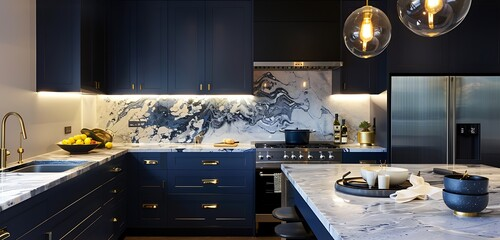
For those who prefer a more vibrant palette, deep jewel tones like navy and emerald green are an on-trend choice. They add a sense of luxury to the room and can be used to create a striking focal point or even a kitchen island. To keep the color from overwhelming the space, use it sparingly on lower cabinets or a single wall.

While bright colors may not be appropriate for every kitchen, they are a great way to add a pop of personality and a sense of fun. When using these hues in your home, make sure they blend seamlessly with the rest of the aesthetic to avoid clashing or looking overly trendy. Also, be careful when using these shades on surfaces like backsplashes or countertops where they can quickly fade.

For those hesitant to take on a bold shade, neutrals are a comfortable and classic option. Neutrals can be used for the entire kitchen to provide a clean, sophisticated look or they can be used on accent walls or furniture to add warmth and depth to the space. When using neutrals for your cabinetry, be sure to select a finish that provides durability, as cabinets are often exposed to moisture and heat.

If you’re ready to transform your kitchen with new cabinet paint, be sure to consult a professional. A skilled painter will offer expert advice and specialized tools that ensure your chosen colors and finishes stand the test of time. They can also help you choose the best finishes to compliment your home’s existing architectural elements, and ensure that the selected hues align well with your kitchen’s lighting conditions.

Soft Neutrals

When it comes to kitchen paint colors, cool grays are fading into the background in favor of cozier neutrals. Serene shades like taupe, mushroom, and greige evoke classic cottage style and complement a wide range of design styles, from traditional to transitional to contemporary. They also provide a neutral backdrop that allows you to add pops of color in your countertops, backsplash, and hardware without overwhelming the space.

For those with wood cabinets, earthy tones are popular in 2025. These rustic hues accentuate the natural beauty of oak and maple, and they’re perfect for creating a lived-in look. They work especially well with reclaimed or weathered materials, and they pair beautifully with rustic metals like copper or bronze. Pair earthy cabinet tones with a variety of rustic-style accessories and open shelving for a homey, cozy aesthetic.

If you prefer a lighter shade, try ivory or warm taupe. These soft neutrals offer a timeless appeal, and they’re a great way to bring a fresh update to existing cabinetry. They’re versatile enough to pair with a range of countertop and backsplash materials, from honed marble to subway tile. They’re also a good choice for north-facing or less sunny rooms, where pure white can seem overpowering.

Another option is to choose a dark gray, such as charcoal or navy. These deep tones can be dramatic and enveloping, and they pair nicely with dark wood accents. Try pairing them with brushed nickel or aged brass hardware for a more refined aesthetic. Darker kitchen colors are also a versatile alternative to classic white, providing a dramatic backdrop for bold design elements.

A subtle trend in modern kitchens is to opt for a satin finish rather than gloss. This sleeker sheen delivers a touch of elegance, while also being more durable and stain-resistant than high-gloss finishes. Choosing satin in the right shade, like the cool-toned Providence Blue 1636 seen here, will create a sophisticated and timeless look for your kitchen.

Replacing your cabinets completely is a major investment, but painting your cabinetry is a cost-effective way to transform your entire kitchen. The key is to use the right paint and the proper techniques to ensure a long-lasting finish. For example, you can extend the life of your cabinets with a quality product like Benjamin Moore Advance Interior, which is specially formulated for doors and trim.

Greens & Blues

When it comes to kitchen remodeling projects, a fresh coat of paint is one of the quickest and easiest ways to update your home’s style. Whether you’re looking for a subtle change or a major transformation, choosing the right color can make all the difference.

The latest cabinet paint colors are moving beyond neutrals, introducing earthy reds and warm purples as well as greens and blues. Earthy tones are favored for their rustic appeal and ability to pair with natural elements like wood, stone, or woven materials. They’re also ideal for creating a cozy and welcoming space that feels like a comfortable and lived-in home.

Green and blue hues evoke a sense of calm and balance, making them an excellent choice for modern kitchens that prioritize relaxation and harmony. According to Houzz, 2023 will see more shades of green and blue entering the design scene, including light tones such as mint and darker shades of sage and forest. The 2023 color palette also includes richer tones such as Treron, a dark version of Farrow and Ball’s Pigeon, that pairs beautifully with wood tones and brass accents.

Soft yellows are also expected to make a comeback this year, offering warmth and cheerfulness in the kitchen. Sherwin Williams’ chartreuse and Valspar’s Delighted Moon are both vibrant choices that can be paired with modern or traditional cabinets to create a lively aesthetic.

While it’s tempting to follow the crowd and choose a trendy shade, it’s essential to trust your instincts and personal preferences when selecting a cabinet paint color. A blue that’s currently popular may not be a hue you love a few years down the road, so it’s important to find a color that speaks to your heart and soul.

When it comes to kitchens, white will always be a classic option. Neutral shades are easy to coordinate with other finishes and styles, and they offer a clean and timeless look that will never go out of style. Whites can range from soft neutrals such as Dove White and Cascade White to warm whites like Swiss Coffee and Cream. Neutral shades also provide the flexibility to add pops of color with backsplash tiles, countertops, and other kitchen features.

Textured Finishes

Many homeowners are looking for an earthy aesthetic that reflects the natural beauty of their home. This trend includes natural wood tones, greens, and textured finishes. Earthy colors and textures can create a warm and inviting space that seamlessly integrates into any design style.

Color and cabinet trends can provide inspiration for kitchen remodeling, but choosing the right finish depends on the overall design, materials, and usage of the space. The best cabinet colors are those that make the room feel like a comfortable and functional gathering place for family and friends.

A variety of cabinet finish options allow you to choose a look that complements your style, budget, and lifestyle. Cabinet finishes vary in durability, wear resistance, and visual appeal. The following cabinet paint color and finishing options are currently available for your new kitchen:

Glossy finishes reflect light and increase the brightness of a room, making them an ideal choice for areas near sinks and stovetops. However, they can show fingerprints and smudges more easily than matte finishes. In addition, glossy cabinets can trap grease and dust in the grooves and indentations of the surface.

Matte finishes are easy to clean and hide smudges and fingerprints well, but they can dull quickly. They also tend to hold on to dust and smudges more than glossier finishes, so it’s important to keep them protected with a polyurethane varnish to ensure they maintain their appearance.

Textured finishes like matte stipple and satin sheen offer a unique look, and can be used in the center of the kitchen or as an accent on lower cabinetry or doors. These finishes add texture and visual interest to a kitchen, but they do require more frequent cleaning than glossy finishes.

In contrast to the traditional painted cabinets, reclaimed and stained wood offers warmth and character. Whether reclaimed wood is incorporated as an island or accent wall, it can create a stunning backdrop for any kitchen design. Reclaimed wood can be finished in a range of stain or paint colors, and is also available with a distressed finish that mimics the look of aged wood.

Navigation