A pest problem in a commercial property can become more than a simple inconvenience. A few insects in a kitchen, rodents near storage areas, or signs of pests in an office can affect cleanliness, employee comfort, customer confidence, and the property’s overall condition. Unlike residential spaces, commercial properties often have larger areas, higher foot traffic, frequent deliveries, food storage, and multiple access points that can make pest problems more complicated.
Effective Ben’s Pest Control for commercial property requires a proactive approach that identifies potential risks, addresses existing infestations, and prevents pests from returning. With regular inspections, proper sanitation, targeted treatments, and ongoing monitoring, businesses can maintain a cleaner and more comfortable environment.
Why Pest Control Is Important for Commercial Properties
Commercial properties can provide pests with many of the conditions they need to survive. Food, water, shelter, warmth, storage areas, waste containers, and hidden spaces can all contribute to pest activity. Buildings with kitchens, restaurants, warehouses, offices, retail spaces, and storage facilities may face different pest risks depending on their daily operations. Without proper prevention, a small pest problem can spread into several areas of the property.
Pest activity can also create a negative impression. Customers and visitors may become concerned if they notice insects, rodents, droppings, damaged products, or other signs of an infestation. Employees may also feel uncomfortable working in areas where pests are present. Addressing pest problems promptly can help protect the property’s appearance and support a cleaner working environment.
Common Pest Problems in Commercial Buildings
Commercial properties can experience a wide range of pest problems. Ants may enter through small cracks and follow food sources into kitchens, break rooms, or storage areas. Cockroaches can hide in dark, warm, and damp areas, particularly where food and moisture are available. Flies may gather around garbage, drains, food preparation areas, and other organic materials.
Rodents can create additional concerns because they can move through ceilings, walls, storage areas, and other concealed spaces. They may damage certain materials while searching for food or creating nests. Other pests may also become problems depending on the type of business and the building’s conditions. Correctly identifying the pest is important because different species require different management strategies.
Conducting a Commercial Property Pest Inspection
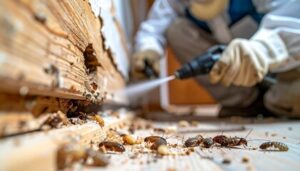
A detailed inspection is an important first step in commercial pest control. The property should be examined for visible pests as well as indirect signs of activity. Droppings, nests, insect trails, damaged materials, unusual odors, gnaw marks, and discarded insect skins can all provide useful clues. The inspection should cover both occupied areas and less frequently visited spaces.
Potential entry points should also be evaluated during an inspection. Doors, windows, vents, utility openings, loading areas, roof access points, wall gaps, and plumbing penetrations can provide opportunities for pests to enter. Storage rooms, waste areas, kitchens, break rooms, and other locations where food or moisture may be present should receive careful attention. A thorough inspection helps determine the extent of the problem and the conditions contributing to it.
Identifying Sources of Pest Activity
Finding the source of an infestation is essential for effective commercial pest management. Treating only the areas where pests are visible may provide temporary results if the underlying source remains. Pests may be entering from outside, moving between rooms, nesting in concealed spaces, or following food and water sources.
Commercial buildings can have complicated layouts, which makes source identification particularly important. Deliveries, storage practices, waste management, and employee activity can all influence pest movement. Identifying where pests are entering and what is attracting them allows treatment and prevention efforts to focus on the most important areas.
Improving Commercial Property Sanitation
Sanitation is one of the most important parts of pest prevention. Food crumbs, spills, overflowing garbage, dirty drains, and improperly stored ingredients can attract pests. Even when a building appears clean, small sanitation issues in hidden or less frequently inspected areas can provide pests with food sources.
Commercial properties should establish consistent cleaning routines that address both visible and less obvious areas. Food should be stored appropriately, waste should be removed regularly, and spills should be cleaned as soon as possible. Areas beneath equipment and behind storage units should not be overlooked. Maintaining good sanitation reduces the resources pests need to survive and can support other pest control measures.
Managing Waste and Storage Areas
Waste management can have a major impact on pest activity. Garbage containers can provide food and shelter for insects and rodents, particularly when waste accumulates for extended periods. Containers should be kept clean and managed appropriately to reduce odors and access to food waste.
Storage areas also require careful attention. Cardboard boxes, unused materials, clutter, and poorly organized inventory can create hiding places for pests. Products should be stored in an organized manner with sufficient space for inspection and cleaning. Maintaining clear access around walls and storage equipment can make it easier to identify signs of pest activity before the problem becomes extensive.
Sealing Entry Points and Improving Exclusion
Preventing pests from entering the building is a major part of commercial pest control. Even the most effective treatment may have limited long-term results if pests can continue entering through gaps and openings. Doors that do not close properly, damaged screens, cracks, vents, and openings around utility lines can all create potential access points.
Physical exclusion involves identifying and addressing these vulnerabilities. Gaps can be sealed with appropriate materials, damaged screens can be repaired, and doors can be adjusted or maintained to reduce unnecessary openings. Loading areas and delivery entrances may require particular attention because they are frequently opened and may provide direct access from outside.
Choosing the Appropriate Pest Treatment
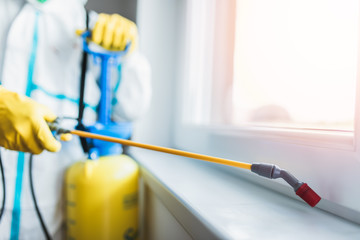
Commercial pest control treatments should be selected according to the type of pest, the size of the infestation, and the conditions of the property. Depending on the situation, treatment may involve targeted applications, traps, baiting systems, exclusion, sanitation improvements, or other management techniques. The goal is to address pest activity effectively while minimizing unnecessary disruption to business operations.
Treatment should be planned around the specific needs of the commercial property. Areas involving food preparation, storage, employees, customers, or sensitive equipment may require additional considerations. Pest control products should always be used according to their intended directions and applicable safety requirements. A targeted approach can help address problem areas while maintaining appropriate precautions throughout the process.
Establishing Regular Pest Monitoring
Regular monitoring is valuable because pest activity can return even after an infestation has been treated. Monitoring allows property managers to identify new signs of activity before they develop into a larger problem. Depending on the property, monitoring may involve routine inspections, traps, bait stations, visual checks, or other appropriate methods.
The information gathered through monitoring can reveal patterns. For example, recurring activity in one area may indicate a persistent entry point, moisture problem, sanitation issue, or hidden nesting site. Monitoring can therefore help guide future pest management decisions. A consistent schedule can be more effective than waiting until pests become highly visible.
Training Employees in Pest Prevention
Employees can play an important role in maintaining pest prevention practices. Staff members who understand proper food storage, cleaning procedures, waste handling, and reporting practices can help reduce conditions that attract pests. Employees should also know how to report signs of pest activity quickly.
Early reporting is particularly important in commercial environments because pest problems can spread rapidly when conditions are favorable. A small number of insects or a single rodent sighting may provide an early warning that should not be ignored. Encouraging employees to communicate concerns promptly can help management respond before the situation becomes more difficult to control.
Creating a Long-Term Pest Management Plan
Commercial pest control works best when it is treated as an ongoing management process. A long-term plan can combine regular inspections, sanitation practices, exclusion, monitoring, employee awareness, and targeted treatment. This approach focuses on preventing problems instead of simply reacting to them after an infestation has become obvious.
The plan should be adapted to the property’s specific characteristics and operations. A food-related business may have different pest risks than an office or warehouse. Seasonal changes may also influence pest activity. Reviewing the property regularly and adjusting prevention measures when necessary can help maintain effective protection throughout the year.
Responding Quickly to Pest Problems
When pest activity is discovered, a prompt response can help prevent the problem from spreading. Management should identify the affected area, determine what type of pest may be present, and look for possible sources or entry points. Cleaning and sanitation concerns should also be addressed while treatment decisions are being considered.
Ignoring early warning signs can allow pests to establish themselves in hidden areas. Once an infestation becomes larger, treatment may require more time, effort, and disruption. A rapid response combined with proper monitoring can help reduce the potential impact on daily business operations.
Final Thoughts
Pest control for commercial property requires a comprehensive approach that goes beyond treating visible pests. Regular inspections, accurate identification, sanitation, waste management, organized storage, entry-point repairs, appropriate treatments, and ongoing monitoring all contribute to effective pest management. Employee awareness and prompt reporting can also help businesses identify problems before they become widespread. Commercial properties face unique challenges because of their size, operations, traffic, and storage requirements, making consistent prevention especially important. By developing a proactive pest management strategy, businesses can help maintain a cleaner, more comfortable, and better-protected environment for employees, customers, and visitors.