Author: Frazer Golden

Top Cabinet Paint Color Trends for Modern Kitchens

Modesto Cabinet Painters

In kitchens, cabinet color is one of the most impactful design choices. The right shade can create a cohesive aesthetic and set the tone for the space.

While neutrals remain a top choice, homeowners are turning to earthy hues that bring a sense of nature into the home. Muted greens and blues evoke tranquility, while terracotta tones add an artisanal charm. Visit Modesto Cabinet Painters for more details.

Earthy Tones

The right cabinet paint color can make or break your kitchen’s aesthetic. Whether your style leans toward minimalist Japandi or dramatic dark woods, selecting the right hues can help you create a beautiful space that reflects your personal style and is also functional and durable.

Natural earth tones, like sage green and dusty blue, are an important element of many modern kitchen designs. They evoke a sense of balance and calm, complementing natural textures like stone, wood, and woven fibers. These colors are also incredibly versatile, blending seamlessly into transitional and contemporary styles. Pair them with white backsplashes and brass hardware to elevate the look.

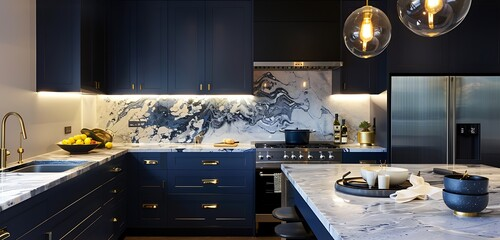
For those who prefer a more vibrant palette, deep jewel tones like navy and emerald green are an on-trend choice. They add a sense of luxury to the room and can be used to create a striking focal point or even a kitchen island. To keep the color from overwhelming the space, use it sparingly on lower cabinets or a single wall.

While bright colors may not be appropriate for every kitchen, they are a great way to add a pop of personality and a sense of fun. When using these hues in your home, make sure they blend seamlessly with the rest of the aesthetic to avoid clashing or looking overly trendy. Also, be careful when using these shades on surfaces like backsplashes or countertops where they can quickly fade.

For those hesitant to take on a bold shade, neutrals are a comfortable and classic option. Neutrals can be used for the entire kitchen to provide a clean, sophisticated look or they can be used on accent walls or furniture to add warmth and depth to the space. When using neutrals for your cabinetry, be sure to select a finish that provides durability, as cabinets are often exposed to moisture and heat.

If you’re ready to transform your kitchen with new cabinet paint, be sure to consult a professional. A skilled painter will offer expert advice and specialized tools that ensure your chosen colors and finishes stand the test of time. They can also help you choose the best finishes to compliment your home’s existing architectural elements, and ensure that the selected hues align well with your kitchen’s lighting conditions.

Soft Neutrals

When it comes to kitchen paint colors, cool grays are fading into the background in favor of cozier neutrals. Serene shades like taupe, mushroom, and greige evoke classic cottage style and complement a wide range of design styles, from traditional to transitional to contemporary. They also provide a neutral backdrop that allows you to add pops of color in your countertops, backsplash, and hardware without overwhelming the space.

For those with wood cabinets, earthy tones are popular in 2025. These rustic hues accentuate the natural beauty of oak and maple, and they’re perfect for creating a lived-in look. They work especially well with reclaimed or weathered materials, and they pair beautifully with rustic metals like copper or bronze. Pair earthy cabinet tones with a variety of rustic-style accessories and open shelving for a homey, cozy aesthetic.

If you prefer a lighter shade, try ivory or warm taupe. These soft neutrals offer a timeless appeal, and they’re a great way to bring a fresh update to existing cabinetry. They’re versatile enough to pair with a range of countertop and backsplash materials, from honed marble to subway tile. They’re also a good choice for north-facing or less sunny rooms, where pure white can seem overpowering.

Another option is to choose a dark gray, such as charcoal or navy. These deep tones can be dramatic and enveloping, and they pair nicely with dark wood accents. Try pairing them with brushed nickel or aged brass hardware for a more refined aesthetic. Darker kitchen colors are also a versatile alternative to classic white, providing a dramatic backdrop for bold design elements.

A subtle trend in modern kitchens is to opt for a satin finish rather than gloss. This sleeker sheen delivers a touch of elegance, while also being more durable and stain-resistant than high-gloss finishes. Choosing satin in the right shade, like the cool-toned Providence Blue 1636 seen here, will create a sophisticated and timeless look for your kitchen.

Replacing your cabinets completely is a major investment, but painting your cabinetry is a cost-effective way to transform your entire kitchen. The key is to use the right paint and the proper techniques to ensure a long-lasting finish. For example, you can extend the life of your cabinets with a quality product like Benjamin Moore Advance Interior, which is specially formulated for doors and trim.

Greens & Blues

When it comes to kitchen remodeling projects, a fresh coat of paint is one of the quickest and easiest ways to update your home’s style. Whether you’re looking for a subtle change or a major transformation, choosing the right color can make all the difference.

The latest cabinet paint colors are moving beyond neutrals, introducing earthy reds and warm purples as well as greens and blues. Earthy tones are favored for their rustic appeal and ability to pair with natural elements like wood, stone, or woven materials. They’re also ideal for creating a cozy and welcoming space that feels like a comfortable and lived-in home.

Green and blue hues evoke a sense of calm and balance, making them an excellent choice for modern kitchens that prioritize relaxation and harmony. According to Houzz, 2023 will see more shades of green and blue entering the design scene, including light tones such as mint and darker shades of sage and forest. The 2023 color palette also includes richer tones such as Treron, a dark version of Farrow and Ball’s Pigeon, that pairs beautifully with wood tones and brass accents.

Soft yellows are also expected to make a comeback this year, offering warmth and cheerfulness in the kitchen. Sherwin Williams’ chartreuse and Valspar’s Delighted Moon are both vibrant choices that can be paired with modern or traditional cabinets to create a lively aesthetic.

While it’s tempting to follow the crowd and choose a trendy shade, it’s essential to trust your instincts and personal preferences when selecting a cabinet paint color. A blue that’s currently popular may not be a hue you love a few years down the road, so it’s important to find a color that speaks to your heart and soul.

When it comes to kitchens, white will always be a classic option. Neutral shades are easy to coordinate with other finishes and styles, and they offer a clean and timeless look that will never go out of style. Whites can range from soft neutrals such as Dove White and Cascade White to warm whites like Swiss Coffee and Cream. Neutral shades also provide the flexibility to add pops of color with backsplash tiles, countertops, and other kitchen features.

Textured Finishes

Many homeowners are looking for an earthy aesthetic that reflects the natural beauty of their home. This trend includes natural wood tones, greens, and textured finishes. Earthy colors and textures can create a warm and inviting space that seamlessly integrates into any design style.

Color and cabinet trends can provide inspiration for kitchen remodeling, but choosing the right finish depends on the overall design, materials, and usage of the space. The best cabinet colors are those that make the room feel like a comfortable and functional gathering place for family and friends.

A variety of cabinet finish options allow you to choose a look that complements your style, budget, and lifestyle. Cabinet finishes vary in durability, wear resistance, and visual appeal. The following cabinet paint color and finishing options are currently available for your new kitchen:

Glossy finishes reflect light and increase the brightness of a room, making them an ideal choice for areas near sinks and stovetops. However, they can show fingerprints and smudges more easily than matte finishes. In addition, glossy cabinets can trap grease and dust in the grooves and indentations of the surface.

Matte finishes are easy to clean and hide smudges and fingerprints well, but they can dull quickly. They also tend to hold on to dust and smudges more than glossier finishes, so it’s important to keep them protected with a polyurethane varnish to ensure they maintain their appearance.

Textured finishes like matte stipple and satin sheen offer a unique look, and can be used in the center of the kitchen or as an accent on lower cabinetry or doors. These finishes add texture and visual interest to a kitchen, but they do require more frequent cleaning than glossy finishes.

In contrast to the traditional painted cabinets, reclaimed and stained wood offers warmth and character. Whether reclaimed wood is incorporated as an island or accent wall, it can create a stunning backdrop for any kitchen design. Reclaimed wood can be finished in a range of stain or paint colors, and is also available with a distressed finish that mimics the look of aged wood.
How Pest Control Services Help Prevent Structural Damage

Structural damage is one of the most serious and costly consequences of pest infestations, yet it is often underestimated until visible problems begin to appear. Many property owners focus on pests as a temporary inconvenience, but the reality is that certain species can silently compromise walls, foundations, insulation, wiring, and even roofing systems. Pest control services play a critical role in protecting buildings from these risks by identifying vulnerabilities early and implementing preventive strategies designed for long-term stability.

Understanding how professional pest management contributes to structural preservation helps property owners recognize its value as an essential part of routine maintenance rather than an occasional emergency response. Learn more by visiting https://www.rodentretreattexas.com/.

pest control

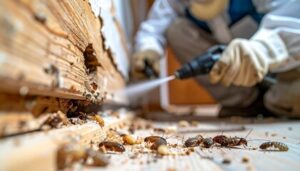
One of the most significant ways pest control services prevent structural damage is through early detection. Many pests operate out of sight, nesting within hidden spaces such as crawl areas, attics, or inside wall voids. Without regular inspections, infestations can continue for months or even years before signs become obvious. Professional technicians are trained to recognize subtle indicators of pest activity, including unusual odors, moisture patterns, small entry holes, or fine debris that may signal hidden damage. By identifying these warning signs early, pest control services help property owners address issues before they escalate into expensive structural repairs.

Another essential aspect of professional pest management is understanding how pests interact with building materials. Certain insects feed on wood and other organic components, gradually weakening structural supports over time. Rodents may chew through insulation and electrical wiring, increasing the risk of fire hazards and system failures. Even smaller pests can contribute to deterioration by introducing moisture or contaminating surfaces, which accelerates decay. Pest control services evaluate these risks holistically, focusing not only on eliminating pests but also on preserving the integrity of the building itself. This proactive approach ensures that structural concerns are addressed alongside pest removal.

Moisture management is closely tied to both pest prevention and structural safety, and pest control professionals often identify moisture issues during routine assessments. Leaks, condensation, or poor ventilation create ideal conditions for pests while also weakening materials such as wood and drywall. By recommending improvements to drainage, ventilation, or sealing, pest control services help reduce the environmental factors that attract infestations. Addressing moisture problems early can significantly extend the lifespan of building components, demonstrating how pest management contributes to broader property maintenance goals.

One of the most overlooked ways pest control services prevent structural damage is through exclusion techniques. Exclusion focuses on sealing entry points that allow pests to access vulnerable areas of a property. Small cracks around windows, gaps in foundations, or damaged weather stripping may seem minor, but they provide easy access for pests seeking shelter. Professional pest control strategies often include identifying these entry points and recommending repairs or reinforcements. Over time, these preventive measures create a barrier that protects the structure from ongoing pest-related wear and tear.

Pest control services also play an important role in protecting insulation and internal systems that are not immediately visible. Rodents and certain insects often target insulation because it provides warmth and nesting material. When insulation becomes damaged, energy efficiency decreases, and moisture accumulation may lead to mold growth or rot. Electrical wiring is another common target, and chewing damage can lead to dangerous malfunctions. Through regular monitoring and targeted treatments, pest control professionals help maintain the functionality of these hidden systems, reducing the risk of costly structural issues developing behind the scenes.

The relationship between sanitation practices and structural preservation is another key factor in effective pest control. Accumulated debris, cluttered storage areas, or improperly managed waste can attract pests and encourage them to settle within structural spaces. Pest control services often include guidance on maintaining clean environments that discourage infestations. Some of the most effective preventive practices recommended during inspections include:

  1. Removing excess clutter that creates hidden nesting areas near walls or foundations.
  2. Storing materials off the ground to prevent moisture buildup and pest access.
  3. Managing food sources and waste disposal to reduce attraction.
  4. Maintaining consistent cleaning routines that limit organic debris.

These simple adjustments help create conditions that are less inviting to pests while protecting vulnerable building components from gradual deterioration.

Regular pest control services also contribute to the long-term durability of exterior structures. Outdoor areas such as decks, fences, and roofing edges are particularly vulnerable because they are exposed to weather conditions and pest activity simultaneously. Without proper monitoring, pests can infiltrate these areas and spread into the main structure. Professional pest management includes evaluating exterior conditions, identifying early signs of damage, and recommending protective measures that prevent infestations from moving indoors. This exterior focus acts as the first line of defense against structural problems.

Another important benefit of pest control services is the ability to develop customized treatment plans tailored to each property’s specific risks. Buildings differ in age, construction materials, and environmental surroundings, all of which influence pest behavior. A well-designed pest management plan considers these factors to reduce structural vulnerabilities effectively. For example, properties with extensive wooden components may require more frequent monitoring, while buildings with complex drainage systems may need additional moisture control strategies. This individualized approach ensures that preventive measures address the unique challenges faced by each structure.

Preventive pest control is also closely tied to cost management. Structural damage caused by pests often requires extensive repairs, which can disrupt daily operations or living conditions. Regular pest control services help property owners avoid unexpected expenses by maintaining consistent monitoring and early intervention. Instead of facing sudden structural failures or emergency treatments, property owners benefit from predictable maintenance schedules that reduce financial uncertainty. Over time, this proactive strategy supports both property value and long-term stability.

Education and awareness are central to preventing structural damage, and pest control professionals often provide valuable insights during inspections. Property owners may not realize how everyday habits contribute to pest attraction or structural risks. For instance, storing firewood too close to a building or allowing vegetation to grow against walls can create pathways for pests to enter. By offering practical advice and clear recommendations, pest control services empower property owners to make informed decisions that strengthen the building’s defenses.

Another way pest control services help preserve structures is by using modern, targeted treatment methods that focus on prevention rather than excessive chemical application. Many strategies emphasize monitoring systems, localized treatments, and environmentally responsible practices that minimize disruption while maintaining effectiveness. This balanced approach protects both the property and its surroundings, ensuring that pest management contributes to long-term safety without unnecessary environmental impact.

Understanding the broader role of pest control services highlights their importance in maintaining overall property health. Structural damage rarely occurs overnight; it develops gradually as pests exploit weak points in the building. Routine inspections and treatments create an ongoing cycle of prevention that reduces the likelihood of severe problems emerging. Property owners who invest in consistent pest management often find that their buildings remain more resilient against both environmental and biological threats.

To fully appreciate the value of pest control in preventing structural damage, it is helpful to consider the range of protective actions involved. Professional services typically focus on multiple layers of prevention, including:

  1. Identifying and sealing structural vulnerabilities that allow pest entry.
  2. Monitoring high-risk areas such as attics, crawl spaces, and storage zones.
  3. Implementing targeted treatments designed to minimize long-term impact.
  4. Providing maintenance recommendations that support structural stability.

These combined efforts form a comprehensive defense system that protects buildings from the inside out.

Consistency and collaboration are essential for achieving lasting results. Pest control services work best when integrated into a broader maintenance plan that includes regular inspections, prompt repairs, and clear communication between property owners and maintenance teams. When issues identified during pest inspections are addressed quickly, the structure remains stronger and less vulnerable to future infestations. This collaborative approach ensures that pest management becomes an ongoing part of property care rather than a reactive measure taken only after damage occurs.

In conclusion, pest control services play a vital role in preventing structural damage by addressing both the causes and consequences of infestations. From early detection and exclusion techniques to moisture management and education, professional pest management provides a comprehensive strategy for protecting buildings over time. By investing in regular pest control, property owners safeguard not only the appearance of their spaces but also the hidden systems and materials that support structural integrity. A proactive approach ensures that buildings remain safe, durable, and resilient, reducing the risk of costly repairs while promoting long-term peace of mind.

Navigation