Structural damage is one of the most serious and costly consequences of pest infestations, yet it is often underestimated until visible problems begin to appear. Many property owners focus on pests as a temporary inconvenience, but the reality is that certain species can silently compromise walls, foundations, insulation, wiring, and even roofing systems. Pest control services play a critical role in protecting buildings from these risks by identifying vulnerabilities early and implementing preventive strategies designed for long-term stability.
Understanding how professional pest management contributes to structural preservation helps property owners recognize its value as an essential part of routine maintenance rather than an occasional emergency response. Learn more by visiting https://www.rodentretreattexas.com/.
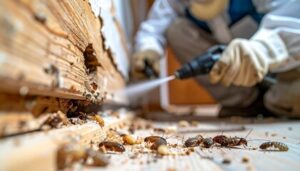
One of the most significant ways pest control services prevent structural damage is through early detection. Many pests operate out of sight, nesting within hidden spaces such as crawl areas, attics, or inside wall voids. Without regular inspections, infestations can continue for months or even years before signs become obvious. Professional technicians are trained to recognize subtle indicators of pest activity, including unusual odors, moisture patterns, small entry holes, or fine debris that may signal hidden damage. By identifying these warning signs early, pest control services help property owners address issues before they escalate into expensive structural repairs.
Another essential aspect of professional pest management is understanding how pests interact with building materials. Certain insects feed on wood and other organic components, gradually weakening structural supports over time. Rodents may chew through insulation and electrical wiring, increasing the risk of fire hazards and system failures. Even smaller pests can contribute to deterioration by introducing moisture or contaminating surfaces, which accelerates decay. Pest control services evaluate these risks holistically, focusing not only on eliminating pests but also on preserving the integrity of the building itself. This proactive approach ensures that structural concerns are addressed alongside pest removal.
Moisture management is closely tied to both pest prevention and structural safety, and pest control professionals often identify moisture issues during routine assessments. Leaks, condensation, or poor ventilation create ideal conditions for pests while also weakening materials such as wood and drywall. By recommending improvements to drainage, ventilation, or sealing, pest control services help reduce the environmental factors that attract infestations. Addressing moisture problems early can significantly extend the lifespan of building components, demonstrating how pest management contributes to broader property maintenance goals.
One of the most overlooked ways pest control services prevent structural damage is through exclusion techniques. Exclusion focuses on sealing entry points that allow pests to access vulnerable areas of a property. Small cracks around windows, gaps in foundations, or damaged weather stripping may seem minor, but they provide easy access for pests seeking shelter. Professional pest control strategies often include identifying these entry points and recommending repairs or reinforcements. Over time, these preventive measures create a barrier that protects the structure from ongoing pest-related wear and tear.
Pest control services also play an important role in protecting insulation and internal systems that are not immediately visible. Rodents and certain insects often target insulation because it provides warmth and nesting material. When insulation becomes damaged, energy efficiency decreases, and moisture accumulation may lead to mold growth or rot. Electrical wiring is another common target, and chewing damage can lead to dangerous malfunctions. Through regular monitoring and targeted treatments, pest control professionals help maintain the functionality of these hidden systems, reducing the risk of costly structural issues developing behind the scenes.
The relationship between sanitation practices and structural preservation is another key factor in effective pest control. Accumulated debris, cluttered storage areas, or improperly managed waste can attract pests and encourage them to settle within structural spaces. Pest control services often include guidance on maintaining clean environments that discourage infestations. Some of the most effective preventive practices recommended during inspections include:
- Removing excess clutter that creates hidden nesting areas near walls or foundations.
- Storing materials off the ground to prevent moisture buildup and pest access.
- Managing food sources and waste disposal to reduce attraction.
- Maintaining consistent cleaning routines that limit organic debris.
These simple adjustments help create conditions that are less inviting to pests while protecting vulnerable building components from gradual deterioration.
Regular pest control services also contribute to the long-term durability of exterior structures. Outdoor areas such as decks, fences, and roofing edges are particularly vulnerable because they are exposed to weather conditions and pest activity simultaneously. Without proper monitoring, pests can infiltrate these areas and spread into the main structure. Professional pest management includes evaluating exterior conditions, identifying early signs of damage, and recommending protective measures that prevent infestations from moving indoors. This exterior focus acts as the first line of defense against structural problems.
Another important benefit of pest control services is the ability to develop customized treatment plans tailored to each property’s specific risks. Buildings differ in age, construction materials, and environmental surroundings, all of which influence pest behavior. A well-designed pest management plan considers these factors to reduce structural vulnerabilities effectively. For example, properties with extensive wooden components may require more frequent monitoring, while buildings with complex drainage systems may need additional moisture control strategies. This individualized approach ensures that preventive measures address the unique challenges faced by each structure.
Preventive pest control is also closely tied to cost management. Structural damage caused by pests often requires extensive repairs, which can disrupt daily operations or living conditions. Regular pest control services help property owners avoid unexpected expenses by maintaining consistent monitoring and early intervention. Instead of facing sudden structural failures or emergency treatments, property owners benefit from predictable maintenance schedules that reduce financial uncertainty. Over time, this proactive strategy supports both property value and long-term stability.
Education and awareness are central to preventing structural damage, and pest control professionals often provide valuable insights during inspections. Property owners may not realize how everyday habits contribute to pest attraction or structural risks. For instance, storing firewood too close to a building or allowing vegetation to grow against walls can create pathways for pests to enter. By offering practical advice and clear recommendations, pest control services empower property owners to make informed decisions that strengthen the building’s defenses.
Another way pest control services help preserve structures is by using modern, targeted treatment methods that focus on prevention rather than excessive chemical application. Many strategies emphasize monitoring systems, localized treatments, and environmentally responsible practices that minimize disruption while maintaining effectiveness. This balanced approach protects both the property and its surroundings, ensuring that pest management contributes to long-term safety without unnecessary environmental impact.
Understanding the broader role of pest control services highlights their importance in maintaining overall property health. Structural damage rarely occurs overnight; it develops gradually as pests exploit weak points in the building. Routine inspections and treatments create an ongoing cycle of prevention that reduces the likelihood of severe problems emerging. Property owners who invest in consistent pest management often find that their buildings remain more resilient against both environmental and biological threats.
To fully appreciate the value of pest control in preventing structural damage, it is helpful to consider the range of protective actions involved. Professional services typically focus on multiple layers of prevention, including:
- Identifying and sealing structural vulnerabilities that allow pest entry.
- Monitoring high-risk areas such as attics, crawl spaces, and storage zones.
- Implementing targeted treatments designed to minimize long-term impact.
- Providing maintenance recommendations that support structural stability.
These combined efforts form a comprehensive defense system that protects buildings from the inside out.
Consistency and collaboration are essential for achieving lasting results. Pest control services work best when integrated into a broader maintenance plan that includes regular inspections, prompt repairs, and clear communication between property owners and maintenance teams. When issues identified during pest inspections are addressed quickly, the structure remains stronger and less vulnerable to future infestations. This collaborative approach ensures that pest management becomes an ongoing part of property care rather than a reactive measure taken only after damage occurs.
In conclusion, pest control services play a vital role in preventing structural damage by addressing both the causes and consequences of infestations. From early detection and exclusion techniques to moisture management and education, professional pest management provides a comprehensive strategy for protecting buildings over time. By investing in regular pest control, property owners safeguard not only the appearance of their spaces but also the hidden systems and materials that support structural integrity. A proactive approach ensures that buildings remain safe, durable, and resilient, reducing the risk of costly repairs while promoting long-term peace of mind.