Author: Fred Petty

Cabinet Refinishing – An Eco-Friendly Way to Upgrade Your Kitchen

Cabinet Refinishing is a popular way to upgrade your kitchen without spending a fortune. Refinishing is different from refacing, as the existing components are kept while only the color or finish is changed.

Cabinet Refinishing

Refinishing is also a greener option than replacing cabinets. Replacing cabinets can result in a significant amount of waste, since old units are usually torn out and sent to landfills.

When it comes to the cost of Cabinet Refinishing, you should be aware that there are several factors that can affect the final cost. The most significant factor is the amount of labor needed to complete the project. The cost of materials and tools can also increase the overall cost. However, these costs can be reduced by hiring a contractor with a strong reputation for quality work and excellent customer service. In addition, you can ask for a free design consultation with the contractor to ensure that the new finish you choose is exactly what you want.

The refinishing process usually involves sanding the surfaces of your cabinets and applying a layer of stain or paint. The exact sanding and finishing process can vary, but it is generally recommended that you use medium-grit sandpaper to smooth out any rough spots and old finishes. You should then sand again with fine-grit sandpaper to create an even surface. This will help to ensure that the finished product is durable and attractive.

Depending on the type of finish you choose, the refinishing process may take as little as one day. This is a great option for homeowners on a budget who are looking to revitalize their kitchen without spending a fortune. Unlike replacement, refinishing can be completed quickly and will reduce the amount of time your kitchen is out of commission.

In addition to reducing costs, Cabinet Refinishing is an environmentally-conscious choice. Replacing cabinets contributes to waste and resource consumption through manufacturing, transportation, and disposal. Refinishing, on the other hand, eliminates these costs by reusing existing materials. In addition, refinishing will help to extend the life of your cabinets and protect them from moisture damage.

The average cost of Cabinet Refinishing is less than $12,000, which is significantly cheaper than the cost of replacing them. However, the final price of refinishing depends on several factors, including the location and local labor rates. The best way to determine the final price of your refinishing project is to get estimates from multiple contractors in your area. Then, you can make an informed decision that will align with your budget and expectations.

Time

Cabinet refinishing is a time-consuming project, but it can be worth the effort in the long run. It can increase the resale value of your home, improve kitchen functionality, and align the aesthetic of your cabinets with other changes you have made in your home. Refinishing can also extend the life of your cabinets, preventing damage and wear over time. However, it is important to remember that the process requires careful planning and attention to detail. If you’re unsure how to handle the project yourself, it’s best to hire a professional.

The first step in the process is sanding the cabinets to create a smooth, even finish. This will remove rough spots, old paint, and imperfections, and it is important to follow the grain of the wood. Once the cabinets have been sanded, they should be cleaned and prepped for painting. This includes cleaning, degreasing, and priming. This process can take several days to complete, and it’s essential to do a thorough job to ensure the final result is quality.

Before applying the new coat of paint, it’s essential to allow the cabinets to fully cure. This will prevent smudges and ensure the paint adheres to the surface properly. It is also a good idea to test any cleaners or products you plan on using on a small, inconspicuous part of the cabinet before using it on the rest. Avoid harsh chemicals that may strip the finish and cause stains.

Refinishing your cabinets can be an eco-friendly alternative to replacing them. Replacing cabinets creates significant construction waste and consumes more raw materials, while refinishing saves these resources and allows you to choose a new look that fits your style. It’s also more affordable than replacing your cabinets, and it doesn’t require a full remodel of your kitchen.

Depending on the type of finish and paint, the refinishing process can take between 2-4 weeks. Hiring a professional service can speed up the process and ensure that your cabinets are properly refinished. Additionally, a professional can offer insight into the latest trends and styles, ensuring your kitchen looks stylish and modern.

Environmental impact

Cabinet refinishing is an eco-friendly option for homeowners looking to update their kitchens. Unlike cabinet replacement, which requires the disposal of the old cabinets and their contents, refinishing reuses existing materials and minimizes waste. In addition, refinishing uses low-VOC finishes that are less harmful to the environment. However, it is important to note that the process can be time-consuming and messy. Depending on the extent of work needed, it may take from a few days to a couple of weeks to finish the job. This is why it’s important to set up a workspace and prepare your kitchen ahead of time. This includes clearing out your cabinets, protecting countertops and appliances with coverings, and setting up a temporary kitchen if necessary.

It is also important to clean your cabinets regularly. Regular cleaning with a non-toxic, non-abrasive cleaner can help protect your cabinets from dirt and grime that can tarnish the finish. You should also avoid using harsh chemicals on your cabinets, as they can damage the new finish and cause it to dull over time.

During the refinishing process, your cabinets will be thoroughly cleaned and degreased to remove grease and dust. Next, they will be sanded to create a smooth, even surface. This is the time to address any damaged areas such as scratches and dents, which should be repaired before applying a stain or paint. Finally, a protective sealant is applied to enhance durability and protect the new finish from wear and tear.

Aesthetically, refinishing is a versatile choice. It allows you to choose a color or finish that suits your style, and it is easy to customize with techniques such as distressing and glazing. It also preserves the original structure of your cabinets, which is a great option for homeowners who are attached to their current layout but want to give their kitchen a fresh look.

Refinishing is more cost-effective than refacing, and it’s a good alternative to full cabinet replacement. However, it’s important to assess the condition of your cabinets and your desired aesthetic before making a decision. If your cabinets are in poor condition, refacing is a better option.

Customization

Cabinet refinishing offers a variety of customization options that you can use to create a look that fits your personal style and design. For example, you can choose the color of your cabinets and apply a finish to match your kitchen’s décor. This can be a great way to create a fresh new look without having to spend a lot of money. However, it is important to consider how durable the finish will be in your home before choosing a specific option.

The first step in a cabinet refinishing project is to sand the surfaces of your cabinets. This will remove any rough spots and old paint, ensuring that your final product will be smooth and attractive. Then, you can begin to paint. It is a good idea to set up a workspace for this project, and it is best to start with a medium-grit sandpaper before switching to a fine-grit sandpaper to ensure a smooth and even finish.

Another benefit of cabinet refinishing is that it can be completed much more quickly than replacing your cabinets. It can usually be done in just a few days, which is a major time saver. Furthermore, it’s less expensive than installing new cabinets, making it an excellent choice for a budget-friendly kitchen renovation.

If you’re looking for a dramatic change in your kitchen, cabinet replacement may be the right option. This process can allow you to choose a more modern design and incorporate features like soft-close hinges and glass-panel doors into your design. Moreover, the new cabinets can be made from more sustainable materials.

Cabinet refacing is an excellent alternative to cabinet replacement because it’s more budget-friendly and can give you a modern look with minimal waste. It’s also a great way to update your cabinet hardware. Cabinet refacing uses existing cabinet boxes and changes their appearance by adding new door and drawer fronts, hardware, and trim pieces. It also involves modifying the inside of your cabinet boxes to hide flaws and repair damaged areas. Additionally, it’s a greener option than replacing your cabinets because it minimizes the amount of dust and debris that’s released during construction.

Visit our Professional Services Blogs

Smart Choice Plumbing And Air, Sanitize My Airducts, Bethesda Locksmith, Golden Coast Cleaners, Advanced Concrete Staining, Home Pool Cleaners, Brayhines Septic, Shaka Pool And Spa Cleaning,Mr Clean And Shine, Best Appliance Repair Long Beach, Gulf to Bay Water Remediation, Garage Door San Francisco, Richmond Flooring, Fence Builders Woodlands, Colorado Springs Auto, Fuel Frontlines, Expert 24 Option, Sacramento Roseville Real Estate, SLO Homes, Philadelphia Towing, State Powerwashing, Truck Tires Worldwide, Website Translation, Construction Company Farmington NM, Green Home Los Angeles, Trinity SEO Marketing, Electric Fireplaces, Argos Bookkeeping, Christopherson Drywall,Garage Door Installation, Missouri Personal Injury Lawyer Blog, Alvins Auto Body, Carpet Care Pros, Las Vegas Concrete, Clark Concrete Company, Deck Builders Missour City, Lechleitner Builders, Medical Health Insurance Policy, Royal Siding Windows, Carpet Steam Cleaners Review, Go Greeen Lawn Painting, Oakwood Skate Deck, Texas Home Remodeling And Painting, USA Home Repair Remodeling, Dream Home Remodeling Services, Brent Lawn Homes, Great Ernm Homes, Accelerated Orthodontic, Arctic Cooling And Heating, Baltimore Heating And Airconditioning
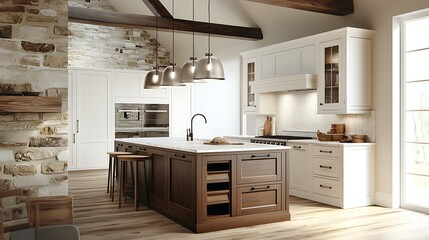

DIY Cabinet Painting – Tools and Materials You’ll Need

Cabinet Painting

Painting your cabinets can be a DIY project that yields impressive results. However, if you want your project to be as smooth and professional as possible, consider hiring wood refinishing experts like N-Hance of Hampton Roads.

We can provide a quality finish that will stand up to the wear and tear of your kitchen, at half the cost of replacing cabinetry. Visit Modesto Cabinet Painters for more information.

Paint

The cabinet paint you choose will depend on the look you want for your kitchen. If you are going for a dramatic change, you may want to consider a high-end product that will last. On the other hand, if you are simply looking to refresh your kitchen and bring new life to old cabinets, you can save money by opting for a less expensive, but durable, cabinet paint.

A quality, bonding primer is also an essential part of the cabinet painting process. The product will help ensure that the topcoat adheres properly and will provide a smooth surface for the final finish.

Whether you are using existing hardware or replacing it, a putty knife and wood filler should be in your tool box as well. These items will allow you to fill in any gouges or dents that are left behind after removing the doors and hardware.

Before you start painting, it is important to clean the cabinets thoroughly. This will help remove the oils and other substances that can affect paint adhesion. It is a good idea to use a degreaser to clean the surfaces, but you can also do this with a regular household cleaner and water. Afterwards, a light sanding is usually necessary to prepare the surfaces for priming and painting.

Then it is time to apply the first coat of primer and wait. You will want to make sure that the first coat dries completely before applying the second. At this point, it is also a good idea to take the time to mask any areas where you do not plan on painting. This will prevent the accidentally spraying a wall or other surface that you do not want painted.

Primer

You may be surprised to learn that a good primer is just as important as paint when it comes to painting cabinets. Aside from ensuring that your new paint will adhere well, it can also help conceal any imperfections and give you a smooth, polished finish.

Whether you are painting over a finished cabinet or just touching up an existing one, it is crucial to use the right type of primer. Many stores carry a wide variety of paint primers, but the one that will work best for your project will depend on the condition of the cabinets, the surface you are covering and what color you are going to be painting.

A water-based primer is ideal for most cabinet projects because it will adhere to surfaces and dry quickly. It will also be easier to clean up than an oil-based primer, which can have strong odors and require special cleaners.

If you want to ensure that your paint will last and that it is stain-resistant, opt for an alkyd primer. These are a little more expensive than latex, but they will cure to the hardness of an oil-based primer and will not yellow over time.

When it comes to kitchen cabinet painting, the number one mistake people make is not priming first. If you skip this step, your painted cabinets will be prone to chipping, cracking and peeling in a very short period of time.

To prepare for your priming, you will need to remove all hardware from the cabinets and put it in a safe place. Then, you will need to thoroughly clean the entire surface with a degreaser, like Krud Kutter or TSP, to remove any grease build-up. Once the surface is completely clean, you can lightly sand it using 150 or 180 grit sandpaper.

Rollers

The type of roller you choose plays a large role in the overall quality of your cabinet paint job. There are several factors to consider when deciding on the best roller for your project:

Nap Length

The nap is the distance between the surface of the roller and the base. It determines the amount of texture in the finished coat, and can impact how much paint is applied. The ideal nap length for cabinet painting is between 1/4’’ and 3/8’’.

Roller Material

There are many different roller materials to choose from. The most common is foam, but mohair and polyester woven rollers are also popular choices. Each has its own unique properties and offers different benefits.

To determine the best roller for your project, try several options and see what works best. Then, apply a light layer of paint to a small section of your cabinets. If you notice drips or uneven coverage, switch to a different roller.

If you are unable to get a smooth finish with a roller, it may be time to call in a professional. They can save you time and hassle by completing the task quickly and efficiently.

Remember to open windows, use exhaust fans and set up temporary fans for better ventilation when working on the project. Additionally, make sure you remove all the cabinet doors and drawer fronts to prevent them from getting in the way of the prep work. Be sure to store them in Ziploc bags with the hardware and hinges in a safe location. Lastly, be sure to wear protective gear like masks and gloves to protect yourself from fumes. If you need help preparing for your cabinet painting project, contact the pros at N-Hance of Atlanta.

Sprayers

Cabinet painting is a big undertaking, and you need the right tools to get a smooth and professional finish. An excellent way to achieve a smooth and flawless finish is to use an airless sprayer. A top-rated model like the Graco Magnum X5 offers a revolutionary solution for painting cabinets, with its ability to deliver superior results while significantly reducing paint wastage and overspray. This model is available in a cordless version, allowing users to paint without being tethered to power outlets and to easily access high or challenging areas. It also features adjustable controls, allowing users to customize the spray pattern and pressure for their specific project needs.

Another great feature of this model is that it emits fewer fumes, which makes it more comfortable to work with. It also requires less physical effort than using a roller or brush, making it a more ergonomic choice for large projects. Aside from its versatility and quality, it is also affordable, ensuring that it can fit within most budgets.

Choosing the right paint for your cabinet project is crucial, especially for areas that receive a lot of traffic. Opt for a water-based acrylic or latex paint, as these provide durability and a good level of stain resistance. These types of paints are also easy to clean, and they do not dries as quickly as oil-based paints, allowing you to complete the job in a shorter amount of time.

You will need to prep your surfaces before you begin the cabinet painting process, such as sanding and cleaning. Ensure that all existing surfaces are in good condition, and that you have a stripping product at hand to remove any old paint. You will also need a vacuum cleaner with a brush attachment, sandpaper (100-150 grit for prepping after cleaning and 220 grit for between primer and paint) and tack cloth to wipe up any dust particles.

Brushes

Paintbrushes are a must for painting cabinets. They give you control in tight spots and are essential for getting the best results when painting a glossy surface. Paintbrushes are available in a variety of shapes and sizes, so it is important to choose the right one for your project. If you are painting over painted surfaces, it is important to determine if the original paint is oil-based or water-based. This will help you choose the proper primer to ensure that the new paint adheres properly. To test, simply dip a cloth or cotton ball in rubbing alcohol and rub it on an inconspicuous area of the existing paint. If the paint comes off, it is probably latex (water-based). If it doesn’t come off, it is most likely oil-based.

The next step is to prepare the cabinet surfaces for painting. This is especially important if the cabinets are already painted, as you will want to make sure that the new paint adheres to the old surface. A good way to do this is by using a sander or power sander with 100-150 grit to rough up the surface and then 220 grit to smooth it out. Be sure to vacuum or use a tack cloth to remove all of the sanding dust before proceeding.

Once the surfaces are sanded, be sure to wipe them down with a damp rag to remove any grease or dirt. You can also use a degreaser or TSP (trisodium phosphate) cleaner for even better results. Finally, be sure to protect any areas that will not be painted by covering them with painters tape or plastic sheets. You will also want to be sure to open windows and set up fans for ventilation while you are working.

Avoiding Common Bathroom Renovation Mistakes: Planning, Budgeting, and Design Tips

Bathroom renovations are among the most popular home improvement projects, offering the potential to enhance functionality, improve aesthetics, and even increase property value. However, the process can be complex, and mistakes are common—especially for homeowners attempting a renovation without professional guidance. From planning missteps to budgeting errors and design oversights, these mistakes can lead to cost overruns, delays, and a finished space that falls short of expectations. Understanding the key areas to focus on and approaching each stage methodically can help homeowners achieve a successful renovation that balances style, comfort, and practicality.

bathroom remodel

The foundation of any successful Bathroom Remodel Lexington KY is thorough planning. Homeowners often underestimate the importance of mapping out the project before demolition begins. Effective planning begins with evaluating the current space, identifying goals, and establishing priorities. For example, are you renovating primarily to improve aesthetics, functionality, or resale value? The answers to these questions will guide decisions regarding layout, fixtures, and finishes. Planning also involves assessing structural limitations, plumbing configurations, and electrical systems, as these factors directly affect what changes are feasible and how much they will cost. By taking the time to plan comprehensively, homeowners can avoid costly changes or mistakes once construction begins.

A common planning error in bathroom renovations is failing to consider the overall layout. Many homeowners attempt to work within the existing footprint without assessing whether the current arrangement maximizes efficiency. Poorly planned layouts can result in cramped spaces, awkward traffic flow, or underutilized storage. Consulting with a professional or conducting detailed measurements can ensure that the new design optimizes both functionality and comfort. Considerations such as the placement of toilets, showers, sinks, and storage should prioritize convenience while maintaining sufficient clearance for movement. Even small adjustments to layout can significantly enhance usability and reduce frustration over the life of the bathroom.

Budgeting is another critical aspect of avoiding mistakes. Bathroom renovations can be deceptively expensive, with costs influenced by materials, labor, fixtures, and unforeseen challenges such as plumbing repairs or water damage. Homeowners who fail to establish a realistic budget often face financial stress mid-project or are forced to compromise on quality. A well-prepared budget accounts for all aspects of the renovation, including labor, materials, permits, and a contingency allowance of 10-15 percent to cover unexpected issues. Tracking expenses throughout the project helps maintain control, ensuring that financial overruns do not compromise design goals or quality standards.

Overlooking hidden costs is a frequent budgeting mistake. Many homeowners focus solely on visible upgrades, such as tiles, vanities, and faucets, while neglecting the expenses associated with plumbing, electrical work, waterproofing, or demolition. Handyman and contractor services often highlight these hidden costs, providing a realistic picture of the investment required. By factoring in every component of the renovation, homeowners can prevent unpleasant surprises and ensure that the project stays within budget while achieving the desired results.

Material selection plays a significant role in both budgeting and long-term satisfaction. Homeowners may be tempted to select high-end finishes without considering durability or suitability for bathroom conditions. Materials exposed to moisture, temperature fluctuations, and daily wear must be water-resistant, easy to clean, and durable. Popular choices include porcelain or ceramic tiles, quartz or granite countertops, and treated wood or composite cabinetry. Selecting materials carefully reduces maintenance needs, prevents premature damage, and ensures that the space remains visually appealing for years. Balancing cost, durability, and style is essential to avoid overspending on materials that may not perform as expected.

Design mistakes are another common pitfall in bathroom renovations. While aesthetics are important, prioritizing looks over functionality can result in an impractical space. For example, placing a freestanding bathtub in a small room may create visual appeal but compromise walking space. Similarly, installing elaborate lighting without considering natural light or shadow can affect usability and comfort. Successful bathroom design integrates form and function, ensuring that every element serves a practical purpose while contributing to overall style. Incorporating sufficient storage, efficient fixtures, and appropriate lighting is essential for a space that works well for daily routines.

Lighting is often overlooked in bathroom renovations, yet it is critical for both function and ambiance. Common mistakes include relying solely on overhead lighting or neglecting task lighting near mirrors. Handyman services or professional designers often recommend layered lighting strategies, combining ambient, task, and accent lighting. This approach ensures adequate illumination for grooming, reduces shadows, and creates a welcoming environment. Choosing energy-efficient LED fixtures can also lower operating costs while enhancing the aesthetic appeal of the bathroom.

Ignoring ventilation is a frequent error that can have long-term consequences. Bathrooms are prone to high humidity, which can lead to mold growth, structural damage, and poor indoor air quality. Proper ventilation, including exhaust fans or window placement, is essential to control moisture levels. Handyman services can ensure that ventilation systems are correctly installed and sized for the space, preventing damage to walls, ceilings, and cabinetry. Effective ventilation not only protects the property but also maintains a healthy and comfortable environment for occupants.

Storage is another area where homeowners often make mistakes during renovations. Limited space in bathrooms makes smart storage solutions critical. Failing to incorporate adequate storage can result in cluttered countertops and a disorganized space. Options such as built-in cabinetry, recessed shelving, or vanity drawers maximize available space without compromising aesthetics. By planning storage strategically, homeowners create a functional, organized environment that meets everyday needs.

One of the most common bathroom renovation mistakes involves underestimating the complexity of plumbing and electrical work. Many homeowners attempt DIY installations or minor adjustments without professional guidance, which can result in leaks, faulty wiring, or code violations. Hiring skilled professionals ensures that all systems are installed correctly, meet safety standards, and function efficiently. Proper installation also minimizes the risk of water damage, fire hazards, and future maintenance problems, providing long-term peace of mind.

Timing and scheduling are crucial to avoid renovation pitfalls. Homeowners often underestimate the time required for demolition, material delivery, and installation, which can lead to frustration, rushed work, or compromised quality. General contractors or handyman services develop project timelines that account for each stage, from demolition to finishing touches. Scheduling in phases ensures that work is coordinated efficiently, reduces downtime, and allows for proper inspections, resulting in a smoother renovation process.

Waterproofing is another critical consideration frequently overlooked in bathroom renovations. Floors, walls, and shower enclosures must be properly sealed to prevent leaks and moisture infiltration. Inadequate waterproofing can lead to mold, structural damage, and costly repairs. Professionals ensure that waterproofing membranes, sealants, and drainage systems are installed correctly, protecting the home and prolonging the lifespan of the renovation. This preventative step is essential for maintaining a safe and durable bathroom environment.

Accessibility and universal design are increasingly important in modern bathroom renovations. Neglecting accessibility can limit usability for aging homeowners or guests with mobility challenges. Incorporating features such as walk-in showers, grab bars, wider doorways, and non-slip flooring enhances safety and functionality. Planning for accessibility during the design phase prevents costly modifications later and ensures that the bathroom remains comfortable and practical for all users.

Budgeting, planning, and design should also consider long-term maintenance. Selecting materials and fixtures that are easy to clean and maintain reduces ongoing costs and prevents deterioration. For example, choosing low-maintenance countertops, durable tile, and water-efficient faucets minimizes future expenses and effort. Professionals can advise homeowners on choices that balance aesthetics, functionality, and long-term value, avoiding design decisions that may appear appealing initially but are costly to maintain.

Another common mistake involves over-customization or excessive luxury features that exceed the intended budget or resale value. While high-end elements such as heated flooring or elaborate cabinetry can be attractive, they may not provide a return on investment proportional to the cost. Balancing luxury upgrades with practical, high-quality materials ensures that the renovation delivers both enjoyment and financial sense. Homeowners should prioritize improvements that enhance functionality, durability, and style without exceeding budgetary constraints.

Key strategies to avoid bathroom renovation mistakes include:

  1. Comprehensive planning and layout analysis before demolition.
  2. Accurate budgeting with contingencies for unexpected expenses.
  3. Professional guidance for plumbing, electrical, and structural work.
  4. Careful selection of materials, fixtures, and finishes to balance durability, aesthetics, and cost.
  5. Incorporating accessibility, ventilation, lighting, and storage considerations into the design.

By following these strategies, homeowners can reduce the risk of common pitfalls, avoid unnecessary expenses, and ensure that their bathroom renovation meets expectations in terms of both appearance and functionality. Handyman services or professional contractors can provide expertise, tools, and labor to execute these strategies effectively, ensuring a smooth renovation process.

In addition to practical and financial considerations, homeowners should focus on long-term usability. The goal of a renovation is not only to create a visually appealing space but also a functional one that enhances daily routines. Prioritizing comfort, convenience, and safety ensures that the bathroom remains a valuable, enjoyable part of the home. A well-planned renovation addresses both immediate needs and future considerations, creating a space that supports long-term lifestyle goals.

In conclusion, avoiding common bathroom renovation mistakes requires a holistic approach that integrates planning, budgeting, and thoughtful design. Homeowners who take the time to evaluate their needs, develop a realistic budget, and select durable, functional materials are far more likely to achieve a successful renovation. Attention to layout, plumbing, electrical systems, waterproofing, lighting, ventilation, and accessibility ensures that the bathroom functions efficiently and remains safe and comfortable for years to come.

By working with skilled professionals and adhering to a structured approach, homeowners can minimize risks, control costs, and maximize the value of their investment. Avoiding pitfalls such as inadequate planning, unrealistic budgets, poor material selection, and neglected safety considerations results in a renovation that is both aesthetically pleasing and highly functional. Every element, from lighting to storage, should be carefully evaluated and executed to achieve a harmonious balance between style and practicality.

Ultimately, a successful bathroom renovation is the result of careful preparation, strategic decision-making, and professional execution. By addressing common mistakes before they occur and applying best practices in planning, budgeting, and design, homeowners create a space that elevates both the look and functionality of their home. The result is a bathroom that meets daily needs, enhances comfort, and contributes to long-term property value, demonstrating the importance of foresight and expertise in every stage of the renovation process.

Navigation