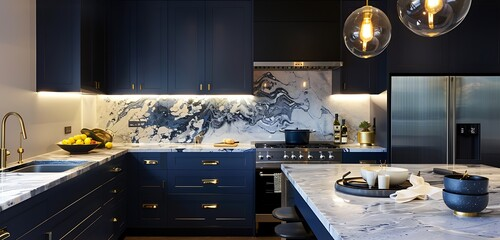
Cabinet Refinishing is a popular way to upgrade your kitchen without spending a fortune. Refinishing is different from refacing, as the existing components are kept while only the color or finish is changed.

Refinishing is also a greener option than replacing cabinets. Replacing cabinets can result in a significant amount of waste, since old units are usually torn out and sent to landfills.
When it comes to the cost of Cabinet Refinishing, you should be aware that there are several factors that can affect the final cost. The most significant factor is the amount of labor needed to complete the project. The cost of materials and tools can also increase the overall cost. However, these costs can be reduced by hiring a contractor with a strong reputation for quality work and excellent customer service. In addition, you can ask for a free design consultation with the contractor to ensure that the new finish you choose is exactly what you want.
The refinishing process usually involves sanding the surfaces of your cabinets and applying a layer of stain or paint. The exact sanding and finishing process can vary, but it is generally recommended that you use medium-grit sandpaper to smooth out any rough spots and old finishes. You should then sand again with fine-grit sandpaper to create an even surface. This will help to ensure that the finished product is durable and attractive.
Depending on the type of finish you choose, the refinishing process may take as little as one day. This is a great option for homeowners on a budget who are looking to revitalize their kitchen without spending a fortune. Unlike replacement, refinishing can be completed quickly and will reduce the amount of time your kitchen is out of commission.
In addition to reducing costs, Cabinet Refinishing is an environmentally-conscious choice. Replacing cabinets contributes to waste and resource consumption through manufacturing, transportation, and disposal. Refinishing, on the other hand, eliminates these costs by reusing existing materials. In addition, refinishing will help to extend the life of your cabinets and protect them from moisture damage.
The average cost of Cabinet Refinishing is less than $12,000, which is significantly cheaper than the cost of replacing them. However, the final price of refinishing depends on several factors, including the location and local labor rates. The best way to determine the final price of your refinishing project is to get estimates from multiple contractors in your area. Then, you can make an informed decision that will align with your budget and expectations.
Time
Cabinet refinishing is a time-consuming project, but it can be worth the effort in the long run. It can increase the resale value of your home, improve kitchen functionality, and align the aesthetic of your cabinets with other changes you have made in your home. Refinishing can also extend the life of your cabinets, preventing damage and wear over time. However, it is important to remember that the process requires careful planning and attention to detail. If you’re unsure how to handle the project yourself, it’s best to hire a professional.
The first step in the process is sanding the cabinets to create a smooth, even finish. This will remove rough spots, old paint, and imperfections, and it is important to follow the grain of the wood. Once the cabinets have been sanded, they should be cleaned and prepped for painting. This includes cleaning, degreasing, and priming. This process can take several days to complete, and it’s essential to do a thorough job to ensure the final result is quality.
Before applying the new coat of paint, it’s essential to allow the cabinets to fully cure. This will prevent smudges and ensure the paint adheres to the surface properly. It is also a good idea to test any cleaners or products you plan on using on a small, inconspicuous part of the cabinet before using it on the rest. Avoid harsh chemicals that may strip the finish and cause stains.
Refinishing your cabinets can be an eco-friendly alternative to replacing them. Replacing cabinets creates significant construction waste and consumes more raw materials, while refinishing saves these resources and allows you to choose a new look that fits your style. It’s also more affordable than replacing your cabinets, and it doesn’t require a full remodel of your kitchen.
Depending on the type of finish and paint, the refinishing process can take between 2-4 weeks. Hiring a professional service can speed up the process and ensure that your cabinets are properly refinished. Additionally, a professional can offer insight into the latest trends and styles, ensuring your kitchen looks stylish and modern.
Environmental impact
Cabinet refinishing is an eco-friendly option for homeowners looking to update their kitchens. Unlike cabinet replacement, which requires the disposal of the old cabinets and their contents, refinishing reuses existing materials and minimizes waste. In addition, refinishing uses low-VOC finishes that are less harmful to the environment. However, it is important to note that the process can be time-consuming and messy. Depending on the extent of work needed, it may take from a few days to a couple of weeks to finish the job. This is why it’s important to set up a workspace and prepare your kitchen ahead of time. This includes clearing out your cabinets, protecting countertops and appliances with coverings, and setting up a temporary kitchen if necessary.
It is also important to clean your cabinets regularly. Regular cleaning with a non-toxic, non-abrasive cleaner can help protect your cabinets from dirt and grime that can tarnish the finish. You should also avoid using harsh chemicals on your cabinets, as they can damage the new finish and cause it to dull over time.
During the refinishing process, your cabinets will be thoroughly cleaned and degreased to remove grease and dust. Next, they will be sanded to create a smooth, even surface. This is the time to address any damaged areas such as scratches and dents, which should be repaired before applying a stain or paint. Finally, a protective sealant is applied to enhance durability and protect the new finish from wear and tear.
Aesthetically, refinishing is a versatile choice. It allows you to choose a color or finish that suits your style, and it is easy to customize with techniques such as distressing and glazing. It also preserves the original structure of your cabinets, which is a great option for homeowners who are attached to their current layout but want to give their kitchen a fresh look.
Refinishing is more cost-effective than refacing, and it’s a good alternative to full cabinet replacement. However, it’s important to assess the condition of your cabinets and your desired aesthetic before making a decision. If your cabinets are in poor condition, refacing is a better option.
Customization
Cabinet refinishing offers a variety of customization options that you can use to create a look that fits your personal style and design. For example, you can choose the color of your cabinets and apply a finish to match your kitchen’s décor. This can be a great way to create a fresh new look without having to spend a lot of money. However, it is important to consider how durable the finish will be in your home before choosing a specific option.
The first step in a cabinet refinishing project is to sand the surfaces of your cabinets. This will remove any rough spots and old paint, ensuring that your final product will be smooth and attractive. Then, you can begin to paint. It is a good idea to set up a workspace for this project, and it is best to start with a medium-grit sandpaper before switching to a fine-grit sandpaper to ensure a smooth and even finish.
Another benefit of cabinet refinishing is that it can be completed much more quickly than replacing your cabinets. It can usually be done in just a few days, which is a major time saver. Furthermore, it’s less expensive than installing new cabinets, making it an excellent choice for a budget-friendly kitchen renovation.
If you’re looking for a dramatic change in your kitchen, cabinet replacement may be the right option. This process can allow you to choose a more modern design and incorporate features like soft-close hinges and glass-panel doors into your design. Moreover, the new cabinets can be made from more sustainable materials.
Cabinet refacing is an excellent alternative to cabinet replacement because it’s more budget-friendly and can give you a modern look with minimal waste. It’s also a great way to update your cabinet hardware. Cabinet refacing uses existing cabinet boxes and changes their appearance by adding new door and drawer fronts, hardware, and trim pieces. It also involves modifying the inside of your cabinet boxes to hide flaws and repair damaged areas. Additionally, it’s a greener option than replacing your cabinets because it minimizes the amount of dust and debris that’s released during construction.
Visit our Professional Services Blogs
Smart Choice Plumbing And Air, Sanitize My Airducts, Bethesda Locksmith, Golden Coast Cleaners, Advanced Concrete Staining, Home Pool Cleaners, Brayhines Septic, Shaka Pool And Spa Cleaning,Mr Clean And Shine, Best Appliance Repair Long Beach, Gulf to Bay Water Remediation, Garage Door San Francisco, Richmond Flooring, Fence Builders Woodlands, Colorado Springs Auto, Fuel Frontlines, Expert 24 Option, Sacramento Roseville Real Estate, SLO Homes, Philadelphia Towing, State Powerwashing, Truck Tires Worldwide, Website Translation, Construction Company Farmington NM, Green Home Los Angeles, Trinity SEO Marketing, Electric Fireplaces, Argos Bookkeeping, Christopherson Drywall,Garage Door Installation, Missouri Personal Injury Lawyer Blog, Alvins Auto Body, Carpet Care Pros, Las Vegas Concrete, Clark Concrete Company, Deck Builders Missour City, Lechleitner Builders, Medical Health Insurance Policy, Royal Siding Windows, Carpet Steam Cleaners Review, Go Greeen Lawn Painting, Oakwood Skate Deck, Texas Home Remodeling And Painting, USA Home Repair Remodeling, Dream Home Remodeling Services, Brent Lawn Homes, Great Ernm Homes, Accelerated Orthodontic, Arctic Cooling And Heating, Baltimore Heating And Airconditioning