Tag: home renovation

Top Cabinet Paint Color Trends for Modern Kitchens

Modesto Cabinet Painters

In kitchens, cabinet color is one of the most impactful design choices. The right shade can create a cohesive aesthetic and set the tone for the space.

While neutrals remain a top choice, homeowners are turning to earthy hues that bring a sense of nature into the home. Muted greens and blues evoke tranquility, while terracotta tones add an artisanal charm. Visit Modesto Cabinet Painters for more details.

Earthy Tones

The right cabinet paint color can make or break your kitchen’s aesthetic. Whether your style leans toward minimalist Japandi or dramatic dark woods, selecting the right hues can help you create a beautiful space that reflects your personal style and is also functional and durable.

Natural earth tones, like sage green and dusty blue, are an important element of many modern kitchen designs. They evoke a sense of balance and calm, complementing natural textures like stone, wood, and woven fibers. These colors are also incredibly versatile, blending seamlessly into transitional and contemporary styles. Pair them with white backsplashes and brass hardware to elevate the look.

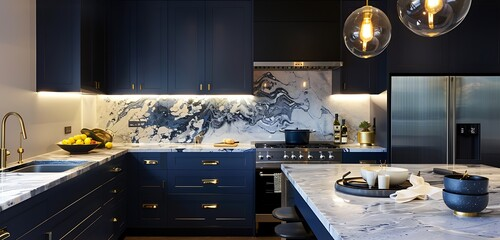
For those who prefer a more vibrant palette, deep jewel tones like navy and emerald green are an on-trend choice. They add a sense of luxury to the room and can be used to create a striking focal point or even a kitchen island. To keep the color from overwhelming the space, use it sparingly on lower cabinets or a single wall.

While bright colors may not be appropriate for every kitchen, they are a great way to add a pop of personality and a sense of fun. When using these hues in your home, make sure they blend seamlessly with the rest of the aesthetic to avoid clashing or looking overly trendy. Also, be careful when using these shades on surfaces like backsplashes or countertops where they can quickly fade.

For those hesitant to take on a bold shade, neutrals are a comfortable and classic option. Neutrals can be used for the entire kitchen to provide a clean, sophisticated look or they can be used on accent walls or furniture to add warmth and depth to the space. When using neutrals for your cabinetry, be sure to select a finish that provides durability, as cabinets are often exposed to moisture and heat.

If you’re ready to transform your kitchen with new cabinet paint, be sure to consult a professional. A skilled painter will offer expert advice and specialized tools that ensure your chosen colors and finishes stand the test of time. They can also help you choose the best finishes to compliment your home’s existing architectural elements, and ensure that the selected hues align well with your kitchen’s lighting conditions.

Soft Neutrals

When it comes to kitchen paint colors, cool grays are fading into the background in favor of cozier neutrals. Serene shades like taupe, mushroom, and greige evoke classic cottage style and complement a wide range of design styles, from traditional to transitional to contemporary. They also provide a neutral backdrop that allows you to add pops of color in your countertops, backsplash, and hardware without overwhelming the space.

For those with wood cabinets, earthy tones are popular in 2025. These rustic hues accentuate the natural beauty of oak and maple, and they’re perfect for creating a lived-in look. They work especially well with reclaimed or weathered materials, and they pair beautifully with rustic metals like copper or bronze. Pair earthy cabinet tones with a variety of rustic-style accessories and open shelving for a homey, cozy aesthetic.

If you prefer a lighter shade, try ivory or warm taupe. These soft neutrals offer a timeless appeal, and they’re a great way to bring a fresh update to existing cabinetry. They’re versatile enough to pair with a range of countertop and backsplash materials, from honed marble to subway tile. They’re also a good choice for north-facing or less sunny rooms, where pure white can seem overpowering.

Another option is to choose a dark gray, such as charcoal or navy. These deep tones can be dramatic and enveloping, and they pair nicely with dark wood accents. Try pairing them with brushed nickel or aged brass hardware for a more refined aesthetic. Darker kitchen colors are also a versatile alternative to classic white, providing a dramatic backdrop for bold design elements.

A subtle trend in modern kitchens is to opt for a satin finish rather than gloss. This sleeker sheen delivers a touch of elegance, while also being more durable and stain-resistant than high-gloss finishes. Choosing satin in the right shade, like the cool-toned Providence Blue 1636 seen here, will create a sophisticated and timeless look for your kitchen.

Replacing your cabinets completely is a major investment, but painting your cabinetry is a cost-effective way to transform your entire kitchen. The key is to use the right paint and the proper techniques to ensure a long-lasting finish. For example, you can extend the life of your cabinets with a quality product like Benjamin Moore Advance Interior, which is specially formulated for doors and trim.

Greens & Blues

When it comes to kitchen remodeling projects, a fresh coat of paint is one of the quickest and easiest ways to update your home’s style. Whether you’re looking for a subtle change or a major transformation, choosing the right color can make all the difference.

The latest cabinet paint colors are moving beyond neutrals, introducing earthy reds and warm purples as well as greens and blues. Earthy tones are favored for their rustic appeal and ability to pair with natural elements like wood, stone, or woven materials. They’re also ideal for creating a cozy and welcoming space that feels like a comfortable and lived-in home.

Green and blue hues evoke a sense of calm and balance, making them an excellent choice for modern kitchens that prioritize relaxation and harmony. According to Houzz, 2023 will see more shades of green and blue entering the design scene, including light tones such as mint and darker shades of sage and forest. The 2023 color palette also includes richer tones such as Treron, a dark version of Farrow and Ball’s Pigeon, that pairs beautifully with wood tones and brass accents.

Soft yellows are also expected to make a comeback this year, offering warmth and cheerfulness in the kitchen. Sherwin Williams’ chartreuse and Valspar’s Delighted Moon are both vibrant choices that can be paired with modern or traditional cabinets to create a lively aesthetic.

While it’s tempting to follow the crowd and choose a trendy shade, it’s essential to trust your instincts and personal preferences when selecting a cabinet paint color. A blue that’s currently popular may not be a hue you love a few years down the road, so it’s important to find a color that speaks to your heart and soul.

When it comes to kitchens, white will always be a classic option. Neutral shades are easy to coordinate with other finishes and styles, and they offer a clean and timeless look that will never go out of style. Whites can range from soft neutrals such as Dove White and Cascade White to warm whites like Swiss Coffee and Cream. Neutral shades also provide the flexibility to add pops of color with backsplash tiles, countertops, and other kitchen features.

Textured Finishes

Many homeowners are looking for an earthy aesthetic that reflects the natural beauty of their home. This trend includes natural wood tones, greens, and textured finishes. Earthy colors and textures can create a warm and inviting space that seamlessly integrates into any design style.

Color and cabinet trends can provide inspiration for kitchen remodeling, but choosing the right finish depends on the overall design, materials, and usage of the space. The best cabinet colors are those that make the room feel like a comfortable and functional gathering place for family and friends.

A variety of cabinet finish options allow you to choose a look that complements your style, budget, and lifestyle. Cabinet finishes vary in durability, wear resistance, and visual appeal. The following cabinet paint color and finishing options are currently available for your new kitchen:

Glossy finishes reflect light and increase the brightness of a room, making them an ideal choice for areas near sinks and stovetops. However, they can show fingerprints and smudges more easily than matte finishes. In addition, glossy cabinets can trap grease and dust in the grooves and indentations of the surface.

Matte finishes are easy to clean and hide smudges and fingerprints well, but they can dull quickly. They also tend to hold on to dust and smudges more than glossier finishes, so it’s important to keep them protected with a polyurethane varnish to ensure they maintain their appearance.

Textured finishes like matte stipple and satin sheen offer a unique look, and can be used in the center of the kitchen or as an accent on lower cabinetry or doors. These finishes add texture and visual interest to a kitchen, but they do require more frequent cleaning than glossy finishes.

In contrast to the traditional painted cabinets, reclaimed and stained wood offers warmth and character. Whether reclaimed wood is incorporated as an island or accent wall, it can create a stunning backdrop for any kitchen design. Reclaimed wood can be finished in a range of stain or paint colors, and is also available with a distressed finish that mimics the look of aged wood.

Avoiding Common Bathroom Renovation Mistakes: Planning, Budgeting, and Design Tips

Bathroom renovations are among the most popular home improvement projects, offering the potential to enhance functionality, improve aesthetics, and even increase property value. However, the process can be complex, and mistakes are common—especially for homeowners attempting a renovation without professional guidance. From planning missteps to budgeting errors and design oversights, these mistakes can lead to cost overruns, delays, and a finished space that falls short of expectations. Understanding the key areas to focus on and approaching each stage methodically can help homeowners achieve a successful renovation that balances style, comfort, and practicality.

bathroom remodel

The foundation of any successful Bathroom Remodel Lexington KY is thorough planning. Homeowners often underestimate the importance of mapping out the project before demolition begins. Effective planning begins with evaluating the current space, identifying goals, and establishing priorities. For example, are you renovating primarily to improve aesthetics, functionality, or resale value? The answers to these questions will guide decisions regarding layout, fixtures, and finishes. Planning also involves assessing structural limitations, plumbing configurations, and electrical systems, as these factors directly affect what changes are feasible and how much they will cost. By taking the time to plan comprehensively, homeowners can avoid costly changes or mistakes once construction begins.

A common planning error in bathroom renovations is failing to consider the overall layout. Many homeowners attempt to work within the existing footprint without assessing whether the current arrangement maximizes efficiency. Poorly planned layouts can result in cramped spaces, awkward traffic flow, or underutilized storage. Consulting with a professional or conducting detailed measurements can ensure that the new design optimizes both functionality and comfort. Considerations such as the placement of toilets, showers, sinks, and storage should prioritize convenience while maintaining sufficient clearance for movement. Even small adjustments to layout can significantly enhance usability and reduce frustration over the life of the bathroom.

Budgeting is another critical aspect of avoiding mistakes. Bathroom renovations can be deceptively expensive, with costs influenced by materials, labor, fixtures, and unforeseen challenges such as plumbing repairs or water damage. Homeowners who fail to establish a realistic budget often face financial stress mid-project or are forced to compromise on quality. A well-prepared budget accounts for all aspects of the renovation, including labor, materials, permits, and a contingency allowance of 10-15 percent to cover unexpected issues. Tracking expenses throughout the project helps maintain control, ensuring that financial overruns do not compromise design goals or quality standards.

Overlooking hidden costs is a frequent budgeting mistake. Many homeowners focus solely on visible upgrades, such as tiles, vanities, and faucets, while neglecting the expenses associated with plumbing, electrical work, waterproofing, or demolition. Handyman and contractor services often highlight these hidden costs, providing a realistic picture of the investment required. By factoring in every component of the renovation, homeowners can prevent unpleasant surprises and ensure that the project stays within budget while achieving the desired results.

Material selection plays a significant role in both budgeting and long-term satisfaction. Homeowners may be tempted to select high-end finishes without considering durability or suitability for bathroom conditions. Materials exposed to moisture, temperature fluctuations, and daily wear must be water-resistant, easy to clean, and durable. Popular choices include porcelain or ceramic tiles, quartz or granite countertops, and treated wood or composite cabinetry. Selecting materials carefully reduces maintenance needs, prevents premature damage, and ensures that the space remains visually appealing for years. Balancing cost, durability, and style is essential to avoid overspending on materials that may not perform as expected.

Design mistakes are another common pitfall in bathroom renovations. While aesthetics are important, prioritizing looks over functionality can result in an impractical space. For example, placing a freestanding bathtub in a small room may create visual appeal but compromise walking space. Similarly, installing elaborate lighting without considering natural light or shadow can affect usability and comfort. Successful bathroom design integrates form and function, ensuring that every element serves a practical purpose while contributing to overall style. Incorporating sufficient storage, efficient fixtures, and appropriate lighting is essential for a space that works well for daily routines.

Lighting is often overlooked in bathroom renovations, yet it is critical for both function and ambiance. Common mistakes include relying solely on overhead lighting or neglecting task lighting near mirrors. Handyman services or professional designers often recommend layered lighting strategies, combining ambient, task, and accent lighting. This approach ensures adequate illumination for grooming, reduces shadows, and creates a welcoming environment. Choosing energy-efficient LED fixtures can also lower operating costs while enhancing the aesthetic appeal of the bathroom.

Ignoring ventilation is a frequent error that can have long-term consequences. Bathrooms are prone to high humidity, which can lead to mold growth, structural damage, and poor indoor air quality. Proper ventilation, including exhaust fans or window placement, is essential to control moisture levels. Handyman services can ensure that ventilation systems are correctly installed and sized for the space, preventing damage to walls, ceilings, and cabinetry. Effective ventilation not only protects the property but also maintains a healthy and comfortable environment for occupants.

Storage is another area where homeowners often make mistakes during renovations. Limited space in bathrooms makes smart storage solutions critical. Failing to incorporate adequate storage can result in cluttered countertops and a disorganized space. Options such as built-in cabinetry, recessed shelving, or vanity drawers maximize available space without compromising aesthetics. By planning storage strategically, homeowners create a functional, organized environment that meets everyday needs.

One of the most common bathroom renovation mistakes involves underestimating the complexity of plumbing and electrical work. Many homeowners attempt DIY installations or minor adjustments without professional guidance, which can result in leaks, faulty wiring, or code violations. Hiring skilled professionals ensures that all systems are installed correctly, meet safety standards, and function efficiently. Proper installation also minimizes the risk of water damage, fire hazards, and future maintenance problems, providing long-term peace of mind.

Timing and scheduling are crucial to avoid renovation pitfalls. Homeowners often underestimate the time required for demolition, material delivery, and installation, which can lead to frustration, rushed work, or compromised quality. General contractors or handyman services develop project timelines that account for each stage, from demolition to finishing touches. Scheduling in phases ensures that work is coordinated efficiently, reduces downtime, and allows for proper inspections, resulting in a smoother renovation process.

Waterproofing is another critical consideration frequently overlooked in bathroom renovations. Floors, walls, and shower enclosures must be properly sealed to prevent leaks and moisture infiltration. Inadequate waterproofing can lead to mold, structural damage, and costly repairs. Professionals ensure that waterproofing membranes, sealants, and drainage systems are installed correctly, protecting the home and prolonging the lifespan of the renovation. This preventative step is essential for maintaining a safe and durable bathroom environment.

Accessibility and universal design are increasingly important in modern bathroom renovations. Neglecting accessibility can limit usability for aging homeowners or guests with mobility challenges. Incorporating features such as walk-in showers, grab bars, wider doorways, and non-slip flooring enhances safety and functionality. Planning for accessibility during the design phase prevents costly modifications later and ensures that the bathroom remains comfortable and practical for all users.

Budgeting, planning, and design should also consider long-term maintenance. Selecting materials and fixtures that are easy to clean and maintain reduces ongoing costs and prevents deterioration. For example, choosing low-maintenance countertops, durable tile, and water-efficient faucets minimizes future expenses and effort. Professionals can advise homeowners on choices that balance aesthetics, functionality, and long-term value, avoiding design decisions that may appear appealing initially but are costly to maintain.

Another common mistake involves over-customization or excessive luxury features that exceed the intended budget or resale value. While high-end elements such as heated flooring or elaborate cabinetry can be attractive, they may not provide a return on investment proportional to the cost. Balancing luxury upgrades with practical, high-quality materials ensures that the renovation delivers both enjoyment and financial sense. Homeowners should prioritize improvements that enhance functionality, durability, and style without exceeding budgetary constraints.

Key strategies to avoid bathroom renovation mistakes include:

  1. Comprehensive planning and layout analysis before demolition.
  2. Accurate budgeting with contingencies for unexpected expenses.
  3. Professional guidance for plumbing, electrical, and structural work.
  4. Careful selection of materials, fixtures, and finishes to balance durability, aesthetics, and cost.
  5. Incorporating accessibility, ventilation, lighting, and storage considerations into the design.

By following these strategies, homeowners can reduce the risk of common pitfalls, avoid unnecessary expenses, and ensure that their bathroom renovation meets expectations in terms of both appearance and functionality. Handyman services or professional contractors can provide expertise, tools, and labor to execute these strategies effectively, ensuring a smooth renovation process.

In addition to practical and financial considerations, homeowners should focus on long-term usability. The goal of a renovation is not only to create a visually appealing space but also a functional one that enhances daily routines. Prioritizing comfort, convenience, and safety ensures that the bathroom remains a valuable, enjoyable part of the home. A well-planned renovation addresses both immediate needs and future considerations, creating a space that supports long-term lifestyle goals.

In conclusion, avoiding common bathroom renovation mistakes requires a holistic approach that integrates planning, budgeting, and thoughtful design. Homeowners who take the time to evaluate their needs, develop a realistic budget, and select durable, functional materials are far more likely to achieve a successful renovation. Attention to layout, plumbing, electrical systems, waterproofing, lighting, ventilation, and accessibility ensures that the bathroom functions efficiently and remains safe and comfortable for years to come.

By working with skilled professionals and adhering to a structured approach, homeowners can minimize risks, control costs, and maximize the value of their investment. Avoiding pitfalls such as inadequate planning, unrealistic budgets, poor material selection, and neglected safety considerations results in a renovation that is both aesthetically pleasing and highly functional. Every element, from lighting to storage, should be carefully evaluated and executed to achieve a harmonious balance between style and practicality.

Ultimately, a successful bathroom renovation is the result of careful preparation, strategic decision-making, and professional execution. By addressing common mistakes before they occur and applying best practices in planning, budgeting, and design, homeowners create a space that elevates both the look and functionality of their home. The result is a bathroom that meets daily needs, enhances comfort, and contributes to long-term property value, demonstrating the importance of foresight and expertise in every stage of the renovation process.

Navigation